















Understanding the Connection Between Fishing and Clean Waterways
Each spring, Pennsylvania wakes up early, and for good reason. The traditions of the Opening Day of Trout Season remind us what we’re fishing for, and what we stand to lose.
There’s an alarm that goes off across Northeastern Pennsylvania every spring that has nothing to do with work. It goes off at 4:30 in the morning, sometimes earlier. It brings generations of families and friends out of warm beds, into cold cars, and down familiar roads still dark and quiet. And before the first line ever hits the water, it brings entire communities together around long folding tables at the local fire hall or church basement over scrambled eggs, scrapple, coffee, and chocolate milk (my drink of superstitious choice in 1990).
Opening Day of trout season in Pennsylvania is not just a fishing trip. For many families across the Commonwealth, it is one of the most deeply held traditions of the year.
If you’ve been a part of it, you know the feeling
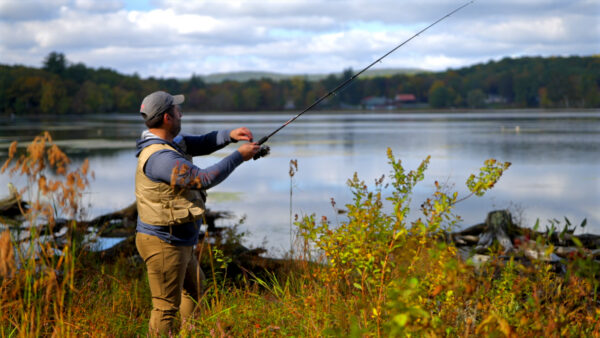
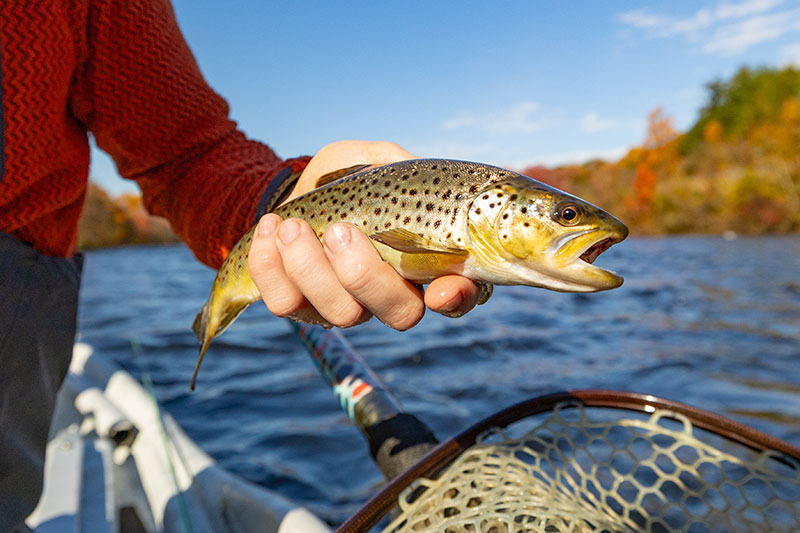
There’s something about standing at the edge of a cold creek in the gray light before dawn, watching the water move and waiting for the world to wake up, that is genuinely hard to explain to someone who hasn’t experienced it. The stream is running full from the spring thaw. And somewhere beside you is someone you love doing exactly what their parents did before them on this same morning, at this same bend in the river. And if your friends and family are anything like mine, there will be no shortage of healthy competition, good-natured taunting, and plenty of unsolicited advice to improve one’s approach.
These traditions run deep in our region. The fire hall breakfasts. The church hall pancake fundraisers. The tackle shops buzzing with opening week energy. The arguments over which stretch of Bowman Creek or Tunkhannock Creek or Loyalsock is holding the best water. These are the rituals that stitch a community together, year after year, generation after generation.
What Those Traditions Ask of Us

Maintaining Healthy Waterways is a NEPA Pastime
There is something quietly powerful about the fact that so much of our regional identity, the breakfasts, the stories, the early mornings, the memories, is tied directly to the health of our waterways.
We come back to these streams because they are worth coming back to. Because the water runs cold and clear. Because the trout are still there. That didn’t happen by accident.
Pennsylvania has one of the most storied conservation traditions in the country. The Pennsylvania Fish & Boat Commission, established in 1866, is one of the oldest wildlife agencies in the nation. Our watershed associations, sportsman’s clubs, and volunteer stream monitoring networks represent decades of quiet, unglamorous, deeply committed work by people who understood that a healthy stream doesn’t maintain itself. It requires consistent, seasonal, and generational stewardship.
The anglers of our past made a choice. They chose not just to fish, but to protect what they were fishing in. They showed up for stream cleanups and riparian buffer plantings and cold-water habitat restoration long before those phrases were common. They passed on not just the rods and the tackle boxes and the secret spots, but the ethic that comes with them: if you love this place, you take care of it.
The Tradition You Carry With You

Every Fishing Story Starts with Responsible Watershed Stewardship
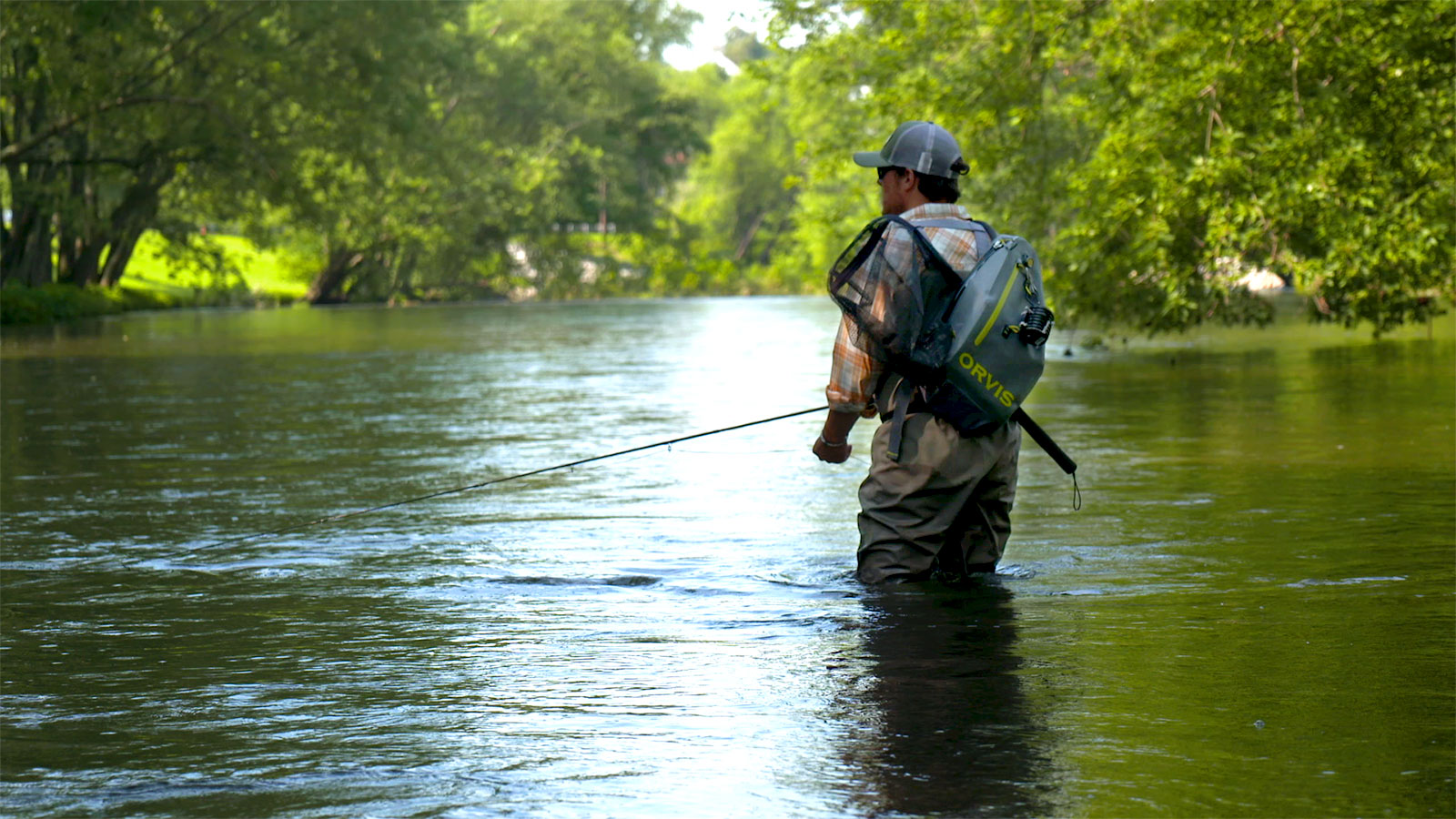
Every time you pull on your waders and head for the water this spring, you’re carrying something with you that’s bigger than your tackle box. You’re carrying a tradition that stretches back through every person who stood in this same watershed before you and decided it was worth protecting.
The fire hall breakfast and the first cast at dawn are the celebration. The conservation work; the stream monitoring, the cleanups, the advocacy for clean water policy, that’s the commitment that makes the celebration possible.
This Opening Day, take a moment at the water’s edge. Look at what’s around you. Think about who brought you here and who you might bring someday. Then ask yourself what you’re willing to do to make sure this morning is still here for them.
Because the best fishing stories don’t start with the fish you caught. They start with the water that was worth fishing in.