













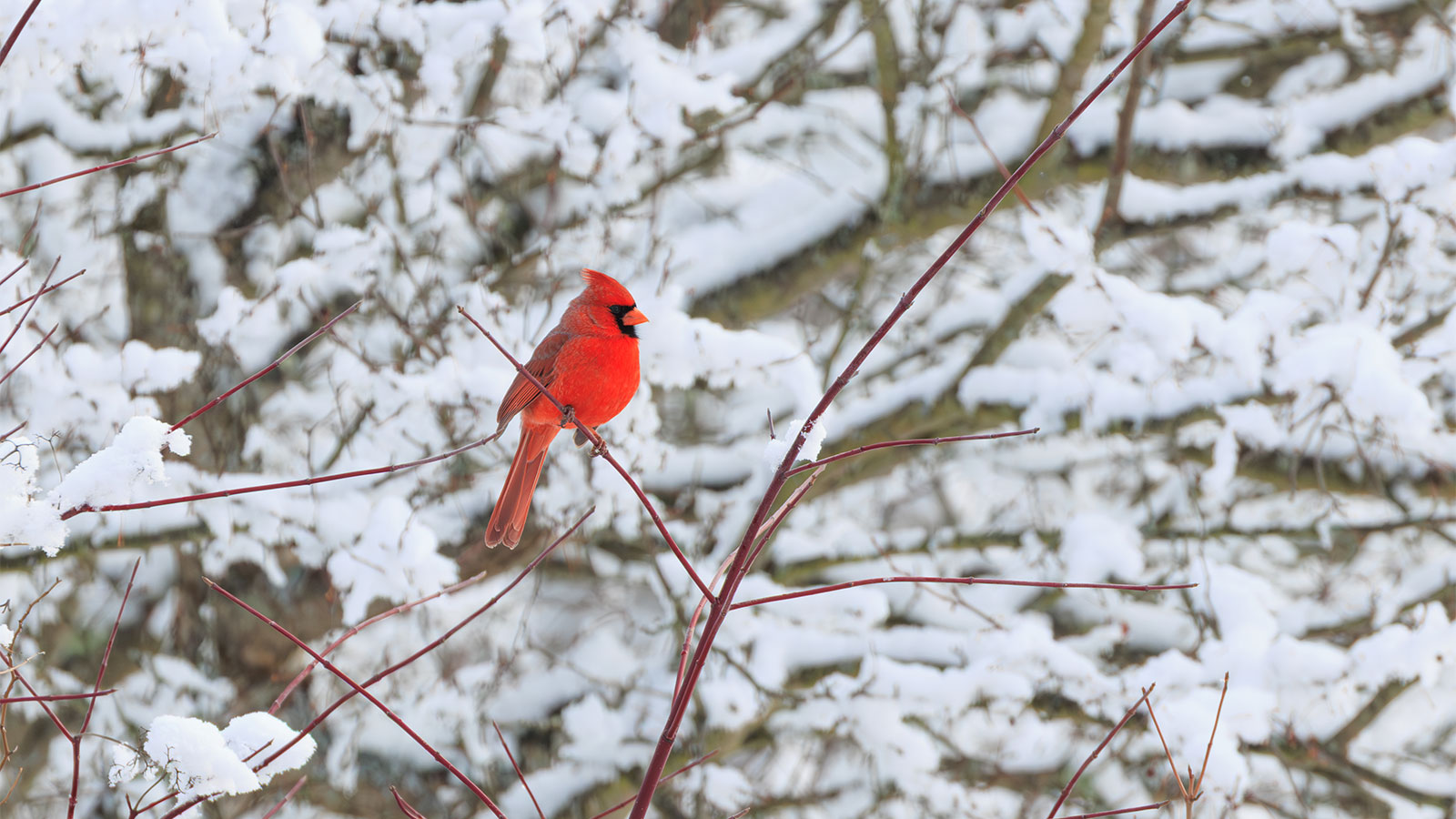


How NEPA’s Wildlife Survives Harsh Winter Conditions
If any of you are like me, the warmth of spring can’t come soon enough. Winter in Pennsylvania can be tough. Not just for us, but for wildlife as well. Snow-covered fields, freezing temperatures, and shorter days mean wildlife must rely on instinct and adaptation to make it through until spring.
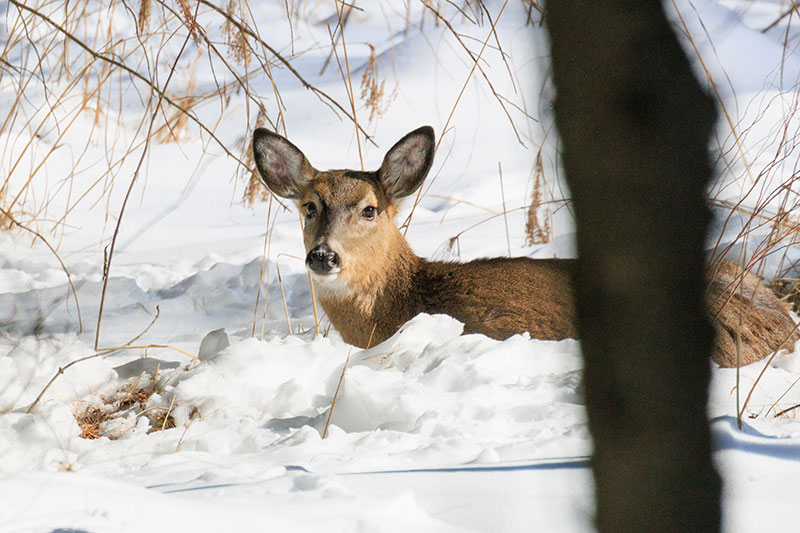
Many species prepare long before the first snowfall
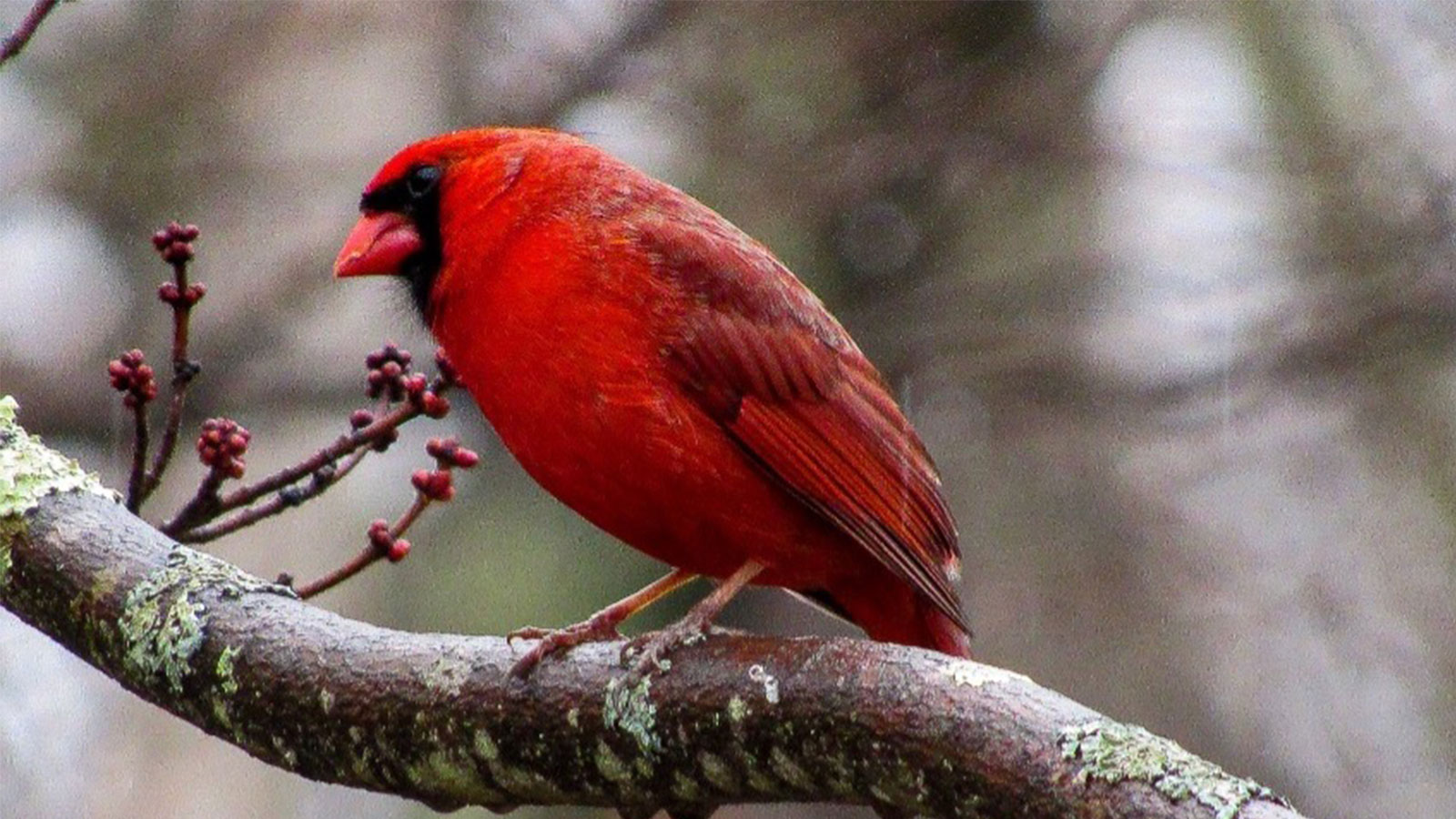
White-tailed deer grow thick winter coats that help trap body heat. Birds seek shelter in dense evergreens or brush piles to escape harsh winds. Even something as simple as choosing the right place to bed down can make a big difference in conserving energy.
Food becomes harder to find during winter months. Squirrels and chipmunks rely on nuts they stored in the fall. Deer shift their diets to woody browse like twigs and buds. Predators such as coyotes and foxes adjust their hunting patterns, focusing on opportunities that require less energy.
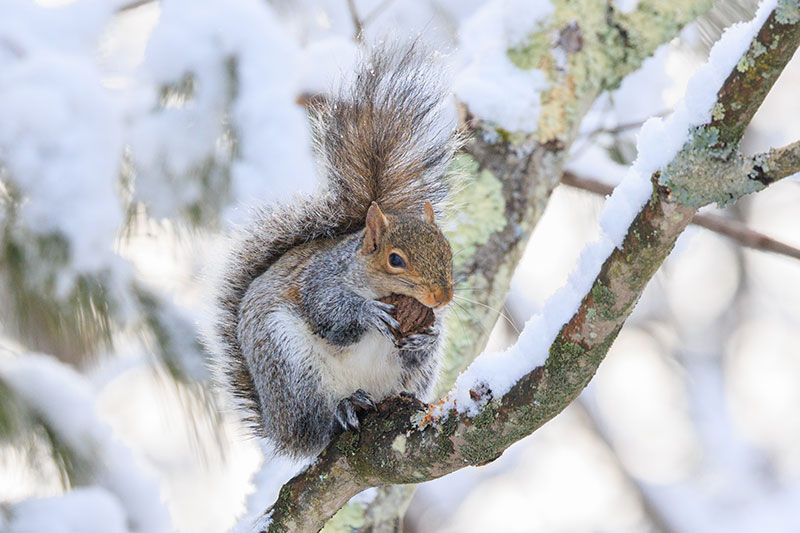
Conserving energy is key
Moving less, seeking thick cover, and using natural camouflage all improve their chances of survival.
Healthy habitat plays a critical role during this time of year. Young forests, shrublands, wetlands, and mature woods all provide the food and shelter wildlife depend on during harsh winter conditions. Habitat management efforts across Pennsylvania help ensure these resources remain available.
As winter settles in, take a moment to appreciate the resilience of the wildlife around us. Every track in the snow tells a story of survival and of nature’s remarkable ability to endure.
Winter Bird Counts: Where Community Meets Conservation