













Step Outside into Your Backyard
Conservation begins closer than we often realize. It is not simply a distant idea about protecting animals seen on television or landscapes captured in calendars and postcards. True conservation begins much closer to home.

Find Nature Everywhere
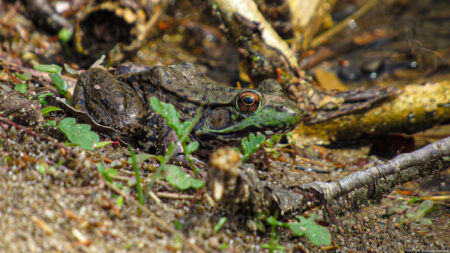
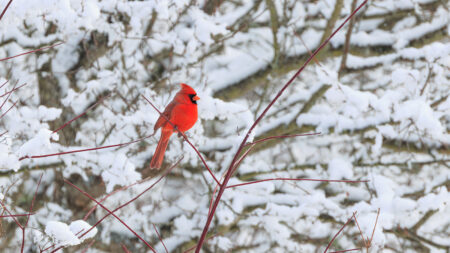
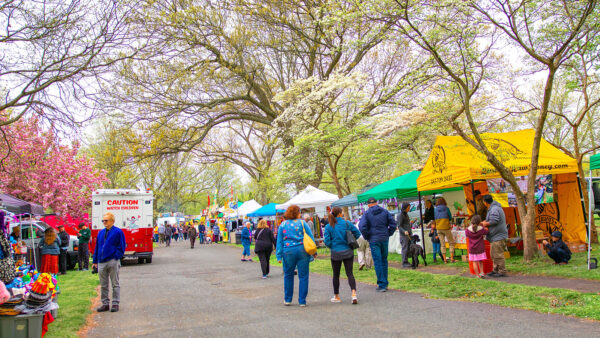
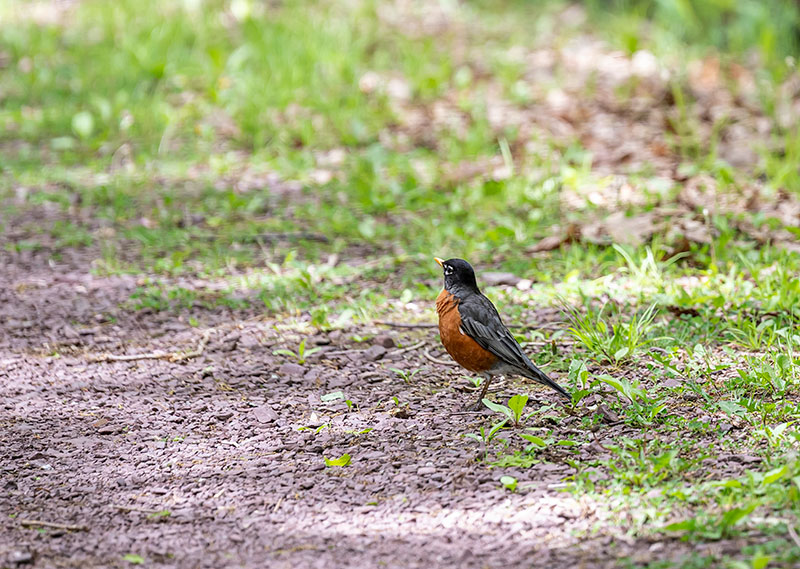
Step outside into your backyard, neighborhood, park, or any place where you find comfort in nature. In the early morning you are greeted by life. Birds call from trees, insects move quietly through the grass and low vegetation, and butterflies drift between flowers. These small moments remind us that we are surrounded by an ecosystem that is constantly in motion.
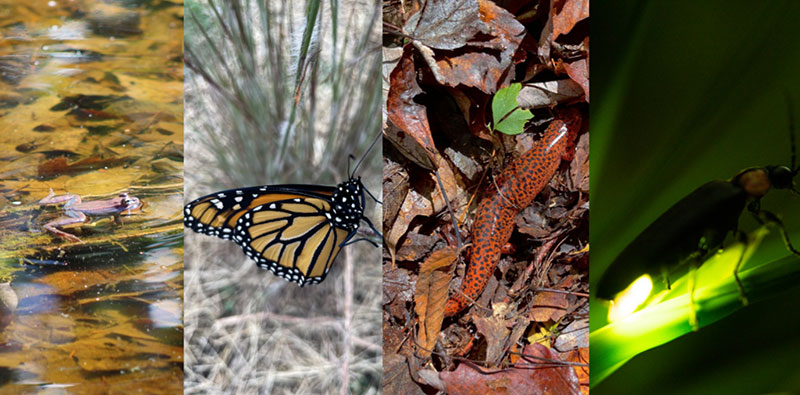
Throughout the year we wait for the telltale signs of the seasons. In autumn, leaves turn brilliant shades of red and gold before falling to the forest floor. In spring, warm evenings are filled with the chorus of spring peepers calling in search of mates, while salamanders migrate back to their vernal pools. By summer, the rhythmic sound of cicadas fills the night air, their steady hum becoming the soundtrack that lulls many of us to sleep. Fireflies dance around, the lanterns light up meadows and fields creating nighttime magic.
We hear. We listen. We notice.
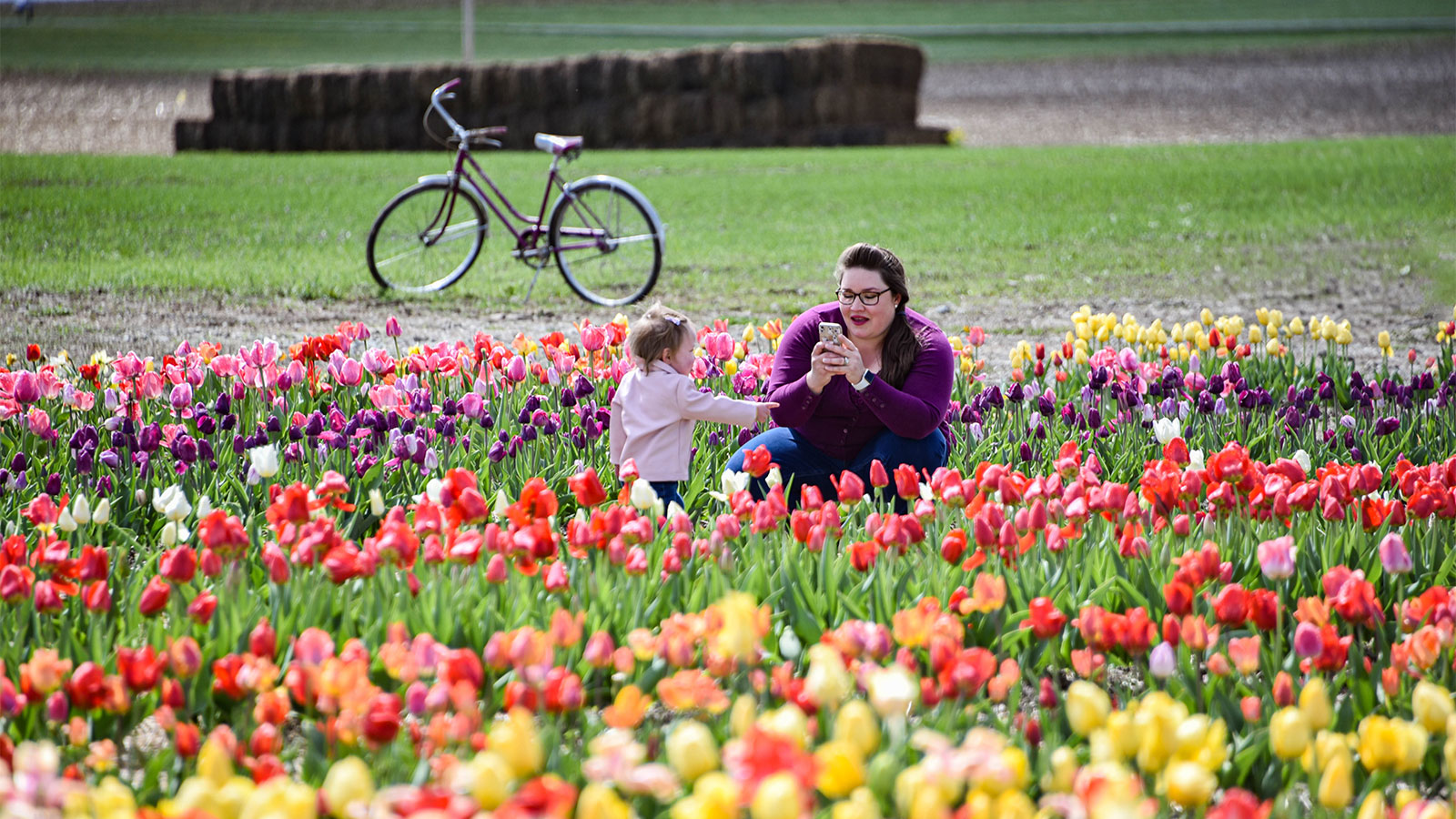
We notice the green grass returning after winter, leaves deepening into rich shades of summer green, and flowers opening one by one across fields and gardens. These sights, sounds, and even smells remind us that the natural world is alive and interconnected in complex and beautiful ways.
When we take the time to observe these moments, we begin to understand something important: ecosystems do not exist somewhere for away. They exist right where we are.
Field Note: Fireflies – also known as lightning bugs are Pennsylvania’s state insect, specifically, Photuris pensylvanica. These beetles are known for their bioluminescent glow used to attract mates during warm summer nights.
Our everyday connections to Nature
Many of our interactions with nature happen without us even realizing it. The shade of a tree cooling us on a summer afternoon, the bees visiting flowers in a garden, the soil that grows our food, or the wetlands that filter water before it reaches our streams and rivers are all examples of ecosystem interactions quietly supporting our daily lives.
These moments may seem small, but they are part of a much larger system that sustains us. Yet these natural systems are not guaranteed to remain healthy without care.
Conservation and Stewardship are essential practices needed to responsibly care for our land, water, and wildlife so they may remain healthy and resilient. Conservation refers to the responsible management of our natural resources, while stewardship simply means caring for something that is entrusted to us.

Both Conservation and Stewardship May Take Many Forms
It might mean planting native plants in your backyard garden, protecting pollinator habitat, reducing pollution, restoring degraded landscapes, or supporting local conservation efforts.
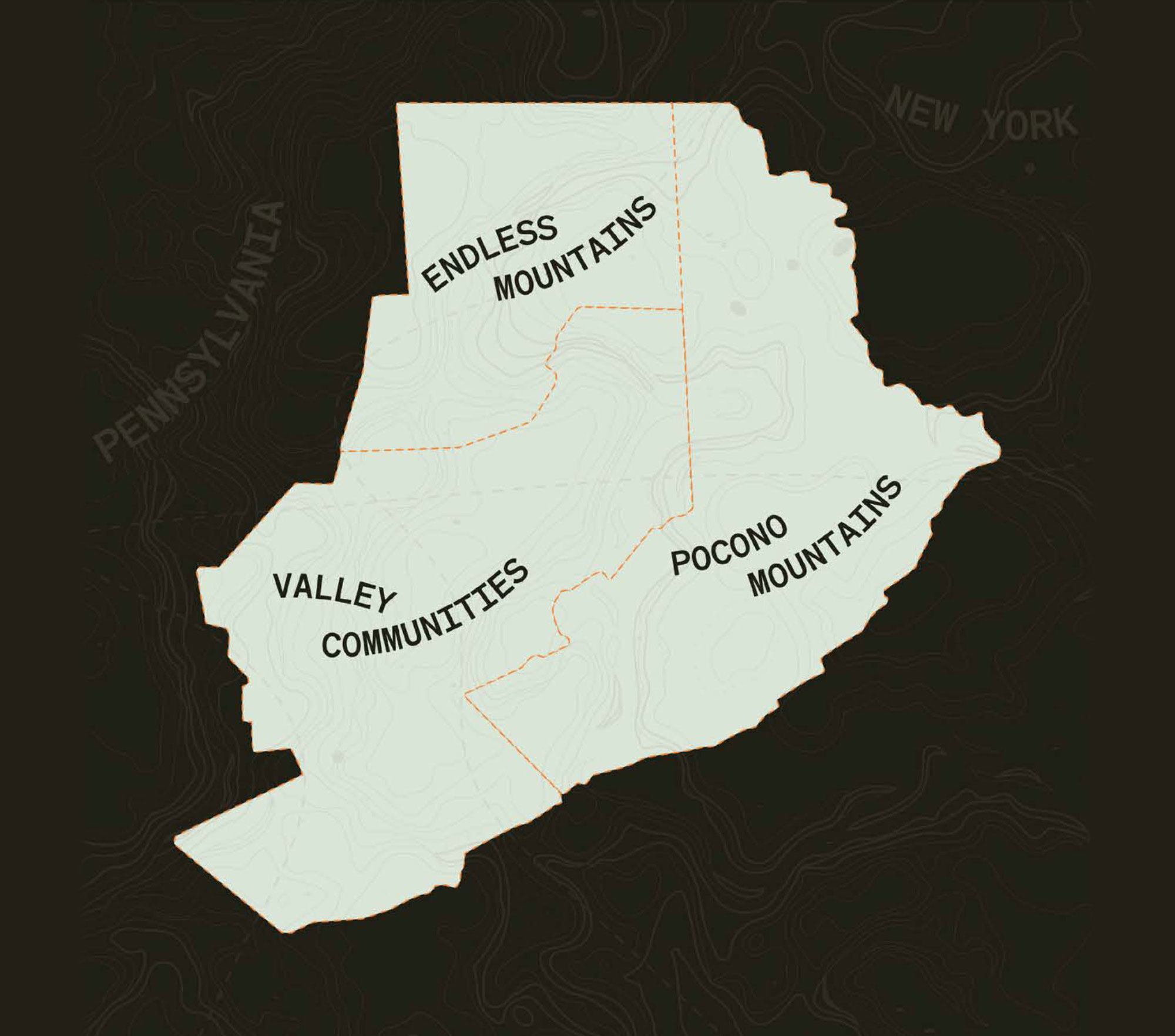
Conservation is ultimately about recognizing this connection and choosing to care for it. By practicing stewardship and protecting natural systems today, we help ensure that the lands and waters of Northeastern Pennsylvania will continue to thrive for generations to come.
These little moments we experience in nature remind us of something important: we are not separate from nature, but a part of it.

Hands For The Land
If you are interested in being a part of nature, join North Branch Land Trust at the George and Lillian Picton Wildlife Sanctuary on Sunday, April 26th at 10 AM for Hands for the Land, a volunteer day dedicated to spending time outdoors, lending a hand, and celebrating Earth Day.
Connect with North Branch Land Trust
For more information on North Branch Land Trust’s mission or to register for upcoming events, visit nblt.org. While you’re visiting the website, explore all the ways North Branch Land Trust conserves and stewards the lands and waters of Northeastern Pennsylvania! In 30+ years, the Land Trust has been a force for conservation in Northeastern Pennsylvania through the generosity of our supporters.

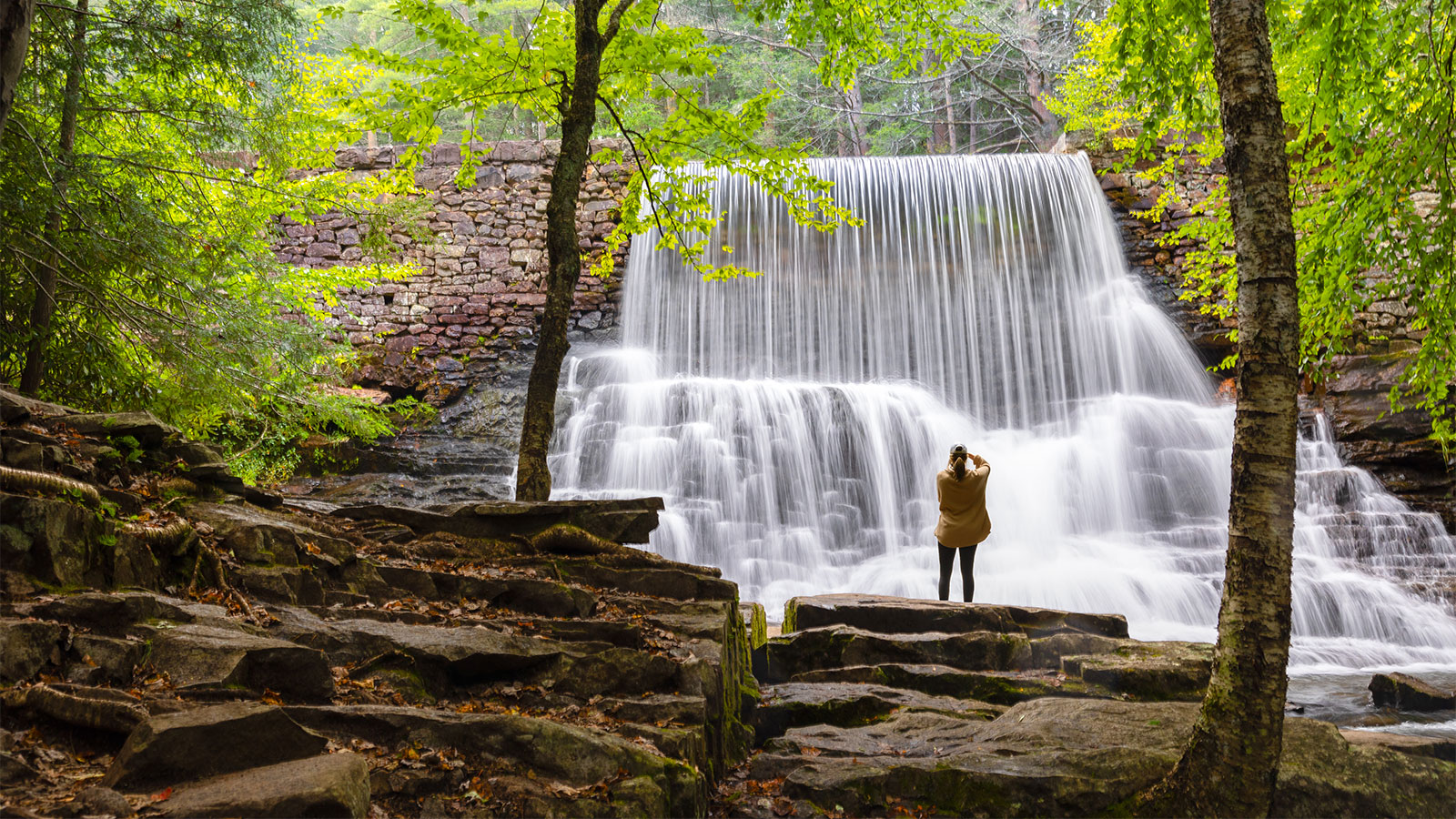
Featured image (top) Picton Wildlife Sanctuary “Split Rock” by Mo Devlin.