














DiscoverNEPA is partnering with North Branch Land Trust, a nonprofit that conserves the natural, working and scenic landscapes of NEPA. They’ll provide conservation tips and give us a look at their protected lands. Learn how you can join NBLT and do your part to protect NEPA’s natural resources.
Eco-Conscious, Seasonal Practices
The fall season of Northeastern Pennsylvania wields its own especially nostalgic notes known for stirring up excitement amongst its residents: from countless county fairs to flourishing apple orchard offerings of crisp cider and sweets, freshly harvested local produce and the late bloom of sunflower fields. In the same lane of anticipation, NEPA’s flora and fauna are also preparing for the oncoming season. With simple, seasonal practices, you can play a part in positively attributing to the overall health of our region’s wildlife during Autumn.

“Leave the Leaves” and Limit Fall Cleanup
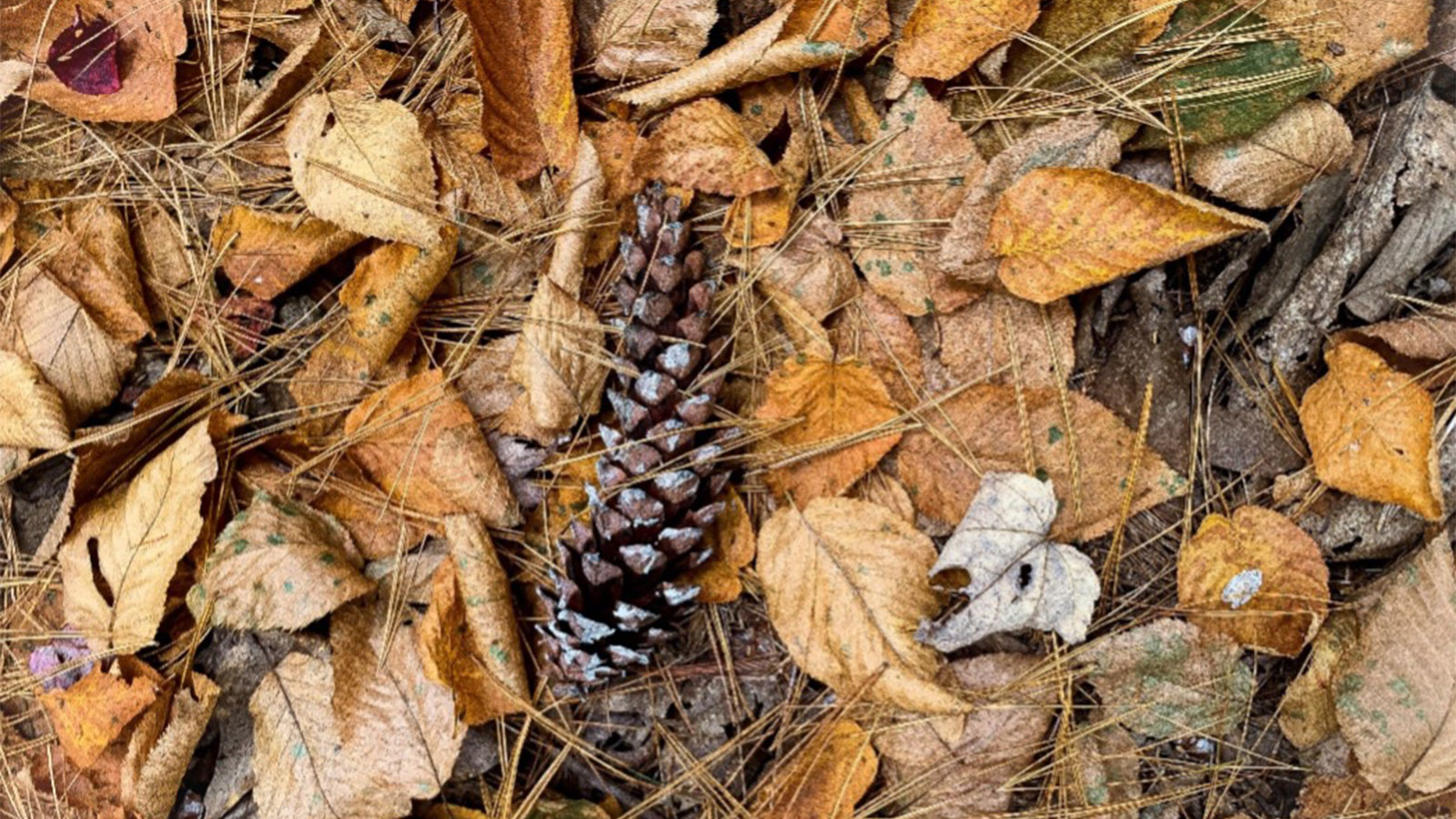
Falling leaves and pine needles serve as a vital habitat utilized by living organisms for food, shelter, and material for nesting. Leaf litter also provides a place to call home for overwintering pollinators like butterfly and moth caterpillars. Similarly, dead flowers and annual plantings from our summer gardens serve as an alternative host for these organisms, while autumn flora like goldenrod and asters offer nectar to migrating or pre-hibernating insects. They also serve as a vital food source for birds and other seedeaters.
If you’re a stickler for a clean and pristine landscape, don’t fret. Alternatively, utilize dried leaves and past prime plantings in garden beds, around trees or in the perimeter of your yard. Hello free, organic mulch!
Plant Native, Plant NOW!
Believe it or not, October and other cooler months are an optimal time to plant native species. Native wildflowers, like milkweed and goldenrod, go through a prolonged dormancy period during the cold months in order to germinate, influencing stronger root systems and promising an early Spring bloom, aiding in the support of species on their migratory return from the South. An added benefit? Fall planting requires less maintenance, as typical garden pests are not as active and more frequent rainfall occurs.

Small Acts: Sky High Impacts
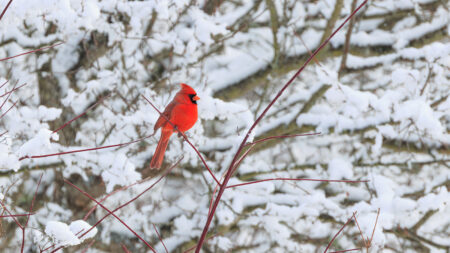
Many birds of Northeastern Pennsylvania, including chickadees, nuthatches, woodpeckers and owls, are cavity nesters, meaning they rely on cavities in dead trees for protection from the elements during the cold months. In areas where natural cavities like tree holes are slim, consider installing a nesting box. Not only do nesting boxes supply a safe space for resident birds, they provide us with bird watching as well, which has been proven to reduce stress and improve mood, according to The National Audubon Society.
Support North Branch Land Trust
North Branch Land Trust’s mission is to conserve and care for our region’s lands and waters. Helping nature thrive during the Winter months is an impactful way to support and protect Northeastern Pennsylvania’s ecological balance and native species.
To learn more about how you can help support Northeastern Pennsylvania’s important natural resources, or for more information on North Branch Land Trust’s mission, visit nblt.org.

Featured image (top) courtesy of Brittany Lynn.