
















NEPA’s Forests in February: A Land of Stillness and Beauty
At first glance, the ever-reputable bleak mid-winter that is February in Northeastern Pennsylvania is characterized by gray skies and typically blanketed with lingering snow from what once was the excitement of the last “big storm”. The landscape looks tired, the fields empty. It’s easy to think nothing is happening out there, (and with this year’s record breaking lows, I wouldn’t blame you for not wanting to venture out very far.) The magic in February is that beneath that stillness, while we’re busy exchanging Valentine’s cards and pouring the next mug of hot cocoa, the natural world is humming with anticipation.
Predators call out across frozen ridgelines, songbirds practice their best love song, and sap begins to flow in maple trees, carrying the first dose of sweetness of the new year. A reminder that love, in all forms, is what keeps the ecosystem moving forward.
The Right Time to Rub Noses
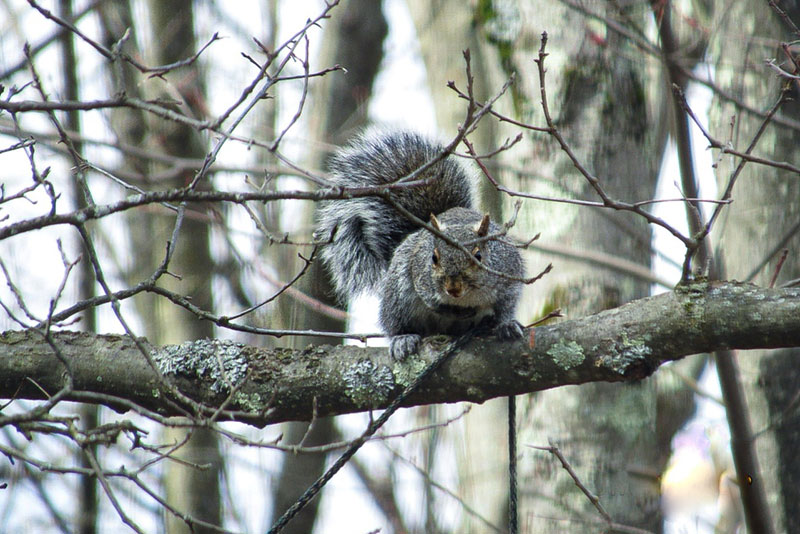
Yips! Howls! Screams! And Everything in between. During February, both predatory and non-predatory mammals emerge from their burrows and dens looking for love. Red foxes and coyotes form strong pair bonds and often hunt cooperatively. Ground hogs make “social visits” to potential mates’ nearby burrows, while skunks travel far in search of the perfect mate. Beavers reinforce their lifelong bonds, repairing their lodges in preparation for the year ahead, while female squirrels lead several males on a zig-zag pursuit through the tree tops. Understanding the patterns of these mammals is crucial to wildlife biologists in order to monitor population health and is largely determined by the severity or mildness of the year’s winter weather conditions.
Field Note: While snow blankets the landscape of Northeastern Pennsylvania, take time to check the ground near hedgerows and nearby creek banks. This is a perfect time to study snowy tracks left behind by travelers!
A Proper “Display of Affection”
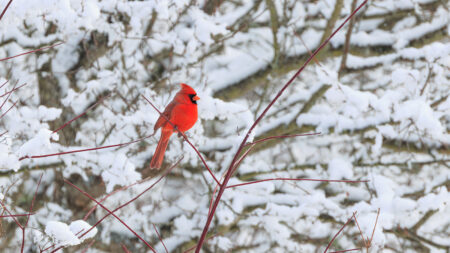
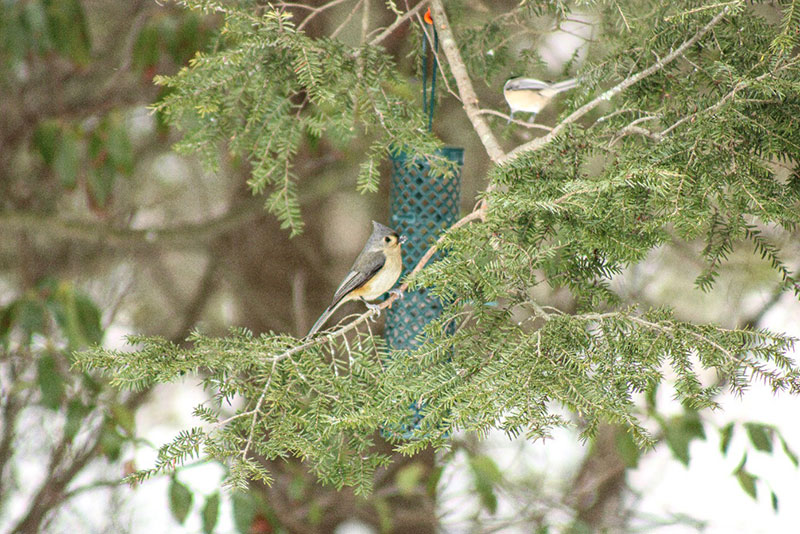
Far before the first warm day, birds begin tuning up their calls and dusting off their dancing feet for Spring. Non-migratory species of Northeastern Pennsylvania including black-capped chickadees, tufted titmice, and Northern cardinals sing boldly against the snow. Woodpeckers drum on hollow trees to attract mates, declaring their territory and interest.
While many bird breeds are just beginning their courtship in Pennsylvania, larger breeds including great horned owls and bald eagles are nestled in their nests, paired for life, and well into their family season.
During milder evenings during February and early March, keep a watchful eye to the forest floor and an open ear. If you hear a nasally “peent” sound echoing from a nearby field, chances are you may be lucky enough to catch a glimpse of the illusive American Woodcock. Also known as a timberdoodle, (my personal favorite nickname), these short-migrant birds of Pennsylvania are famous for their moves, from an aerial acrobatic “sky dance” during the early-mating season, to boogie-ing across the forest floor in search of earth worms.
Field Note: Want the best chance at hearing partnerships in progress? Listen closely at dawn and dusk during quiet weather days.
How Sweet it is:
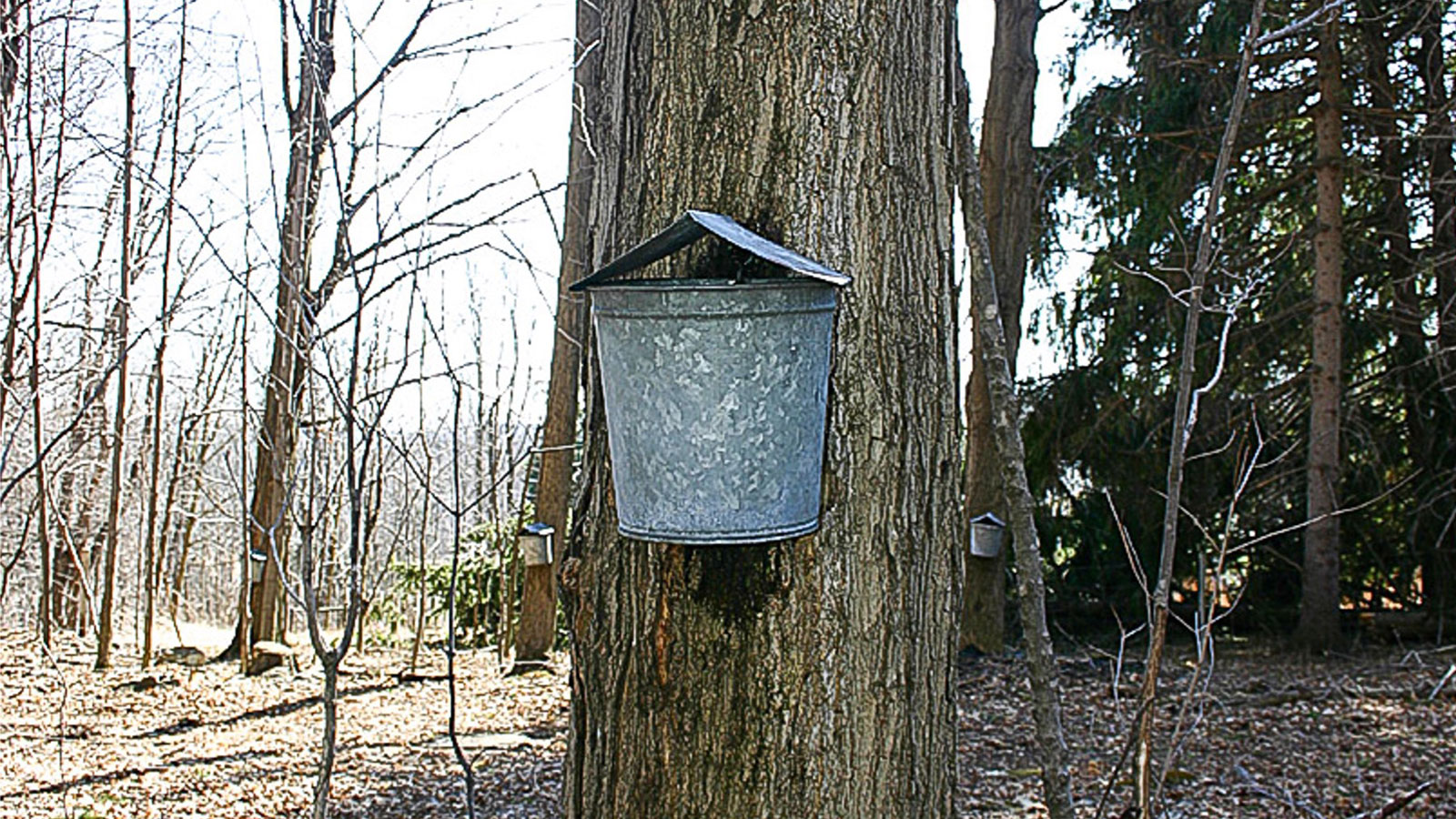
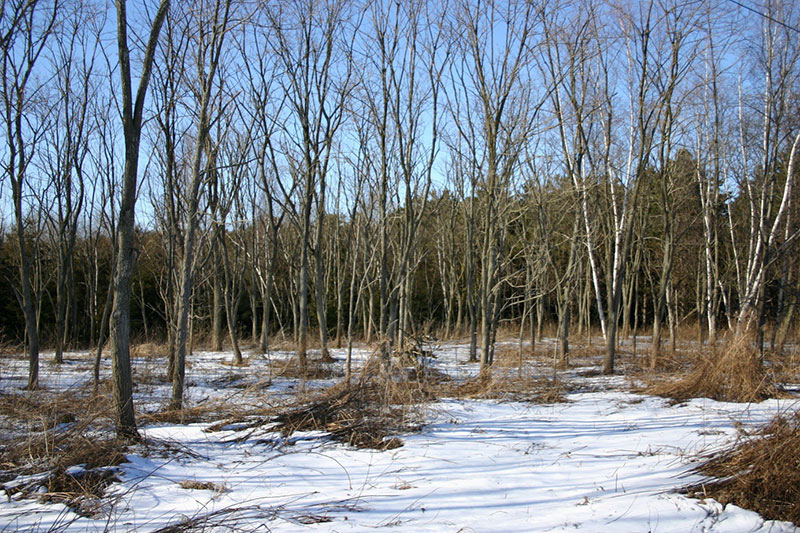
Across the landscape, buckets, tubing, and evaporators start appearing throughout the wood line as local hobbyists and farmers prepare to tap sugar maple trees. Maple syrup season is one of the region’s oldest winter traditions, rooted in partnerships, a deep understanding of our precious Northeastern PA resources, and a whole lot of patience.
Maple sap begins flowing when the weather hits a perfect rhythm of freeze at night, thaw during the day. As cold nights create suction inside the tree, warm days release pressure, pushing sap outward. Much like us residents, maple trees need a little warmth after the Pennsylvania cold spell before they can share their sweetness.
Field Note: On average, it takes 40 gallons of maple sap to make one gallon of syrup.
For the Love of The Land: Stewardship and Conservation
The existence of these simple shifts: foxes calling across the hills, the owls hooting into the dark, the maple trees awakening with sweetness, are all dependent on us choosing to care for the natural resources they lean on. As we celebrate affection in all human forms this month, February’s natural world reminds us that devotion is also an ecological force, and making decisions based on your love of the land ensures these late-winter romances continue long into the future.
Connect with North Branch Land Trust
For more information on North Branch Land Trust’s mission or to register for upcoming events, visit nblt.org.
While you’re visiting the website, explore all the ways North Branch Land Trust conserves and stewards the lands and waters of Northeastern Pennsylvania! In 30+ years, the Land Trust has been a force for conservation in Northeastern Pennsylvania through the generosity of our supporters.

Featured Image (top) courtesy of Brittany Lynn.