














Flora, Fauna, and Frost
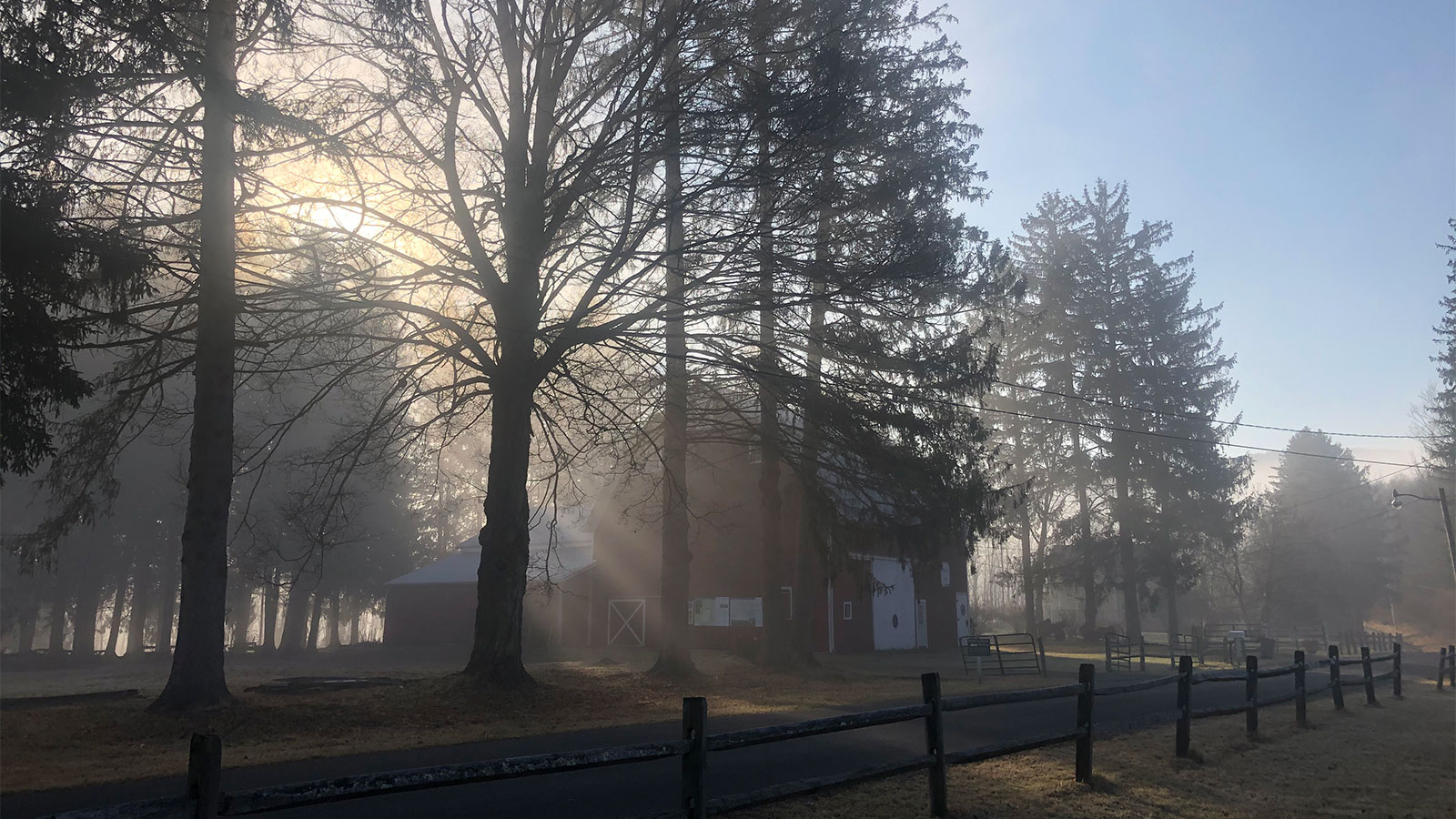
The first frost in Northeastern Pennsylvania is more than just a chilly morning – it is nature’s way of signaling that autumn is in full swing. While it brings cooler temperatures, frost also plays a pivotal role in shaping the area’s local ecosystems.
Typically arriving in mid-October, frost forms when clear skies allow heat to escape from the ground overnight, causing surface temperatures to slightly drop below freezing. According to the Penn State Extension, this phenomenon known as radiation frost is quite common in the fall as it serves to be a cue for shaping the upcoming seasons. Most notably, frost contributes to the vibrant fall leaf colors, acting as a catalyst in the breakdown of chlorophyll revealing the vivid red, yellow, and orange colors. It also helps trigger dormancy in plants and signals animals to begin their seasonal preparations.

Plants
As the days grow shorter and the air turns crisp, plants in Northeastern PA begin their notable transition into fall. Frost acts as a natural omen, encouraging most trees to shed their leaves and wildflowers to release seeds. This process is done not only to conserve energy in months to follow, but it prepares them for the spring when the process starts all over again. While some delicate plants may fade with the introduction of frost, many trees and shrubs enter a state of dormancy, preserving nutrients for the months ahead.
Even the natural phenomenon known as “frost cracking” – caused by rapid temperature changes within a tree’s core – becomes a part of fall’s yearly routines. Trees that are out in the open sunlight, and which have bark facing direct sunlight, appear to have frost cracking most. The expansion and contraction of both the bark and inner wood, resulting in a vast temperature difference between day and night, also causes this.
Animals
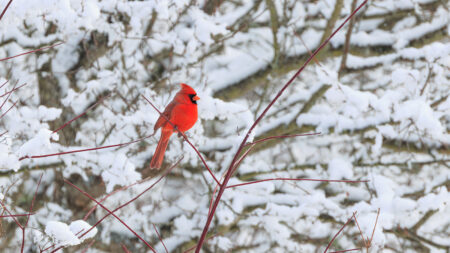
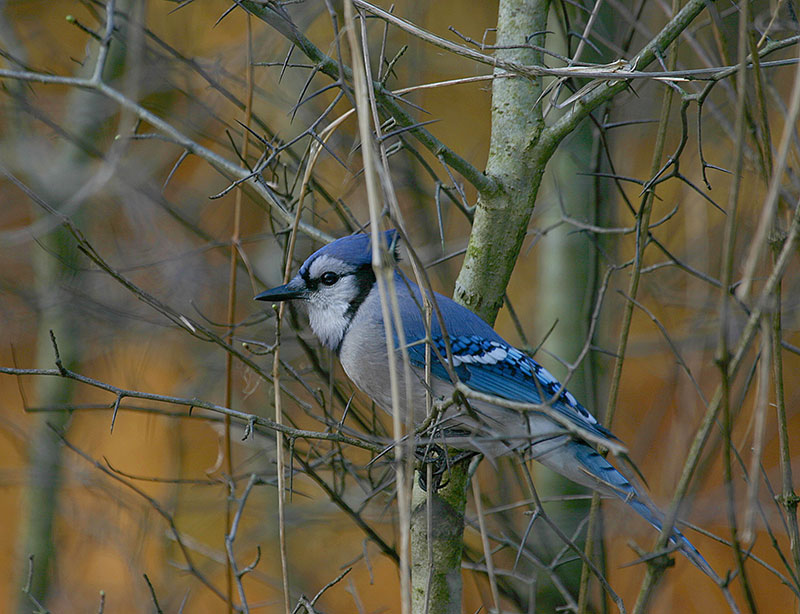
For wildlife, the first frost is a polite reminder to begin preparing for the months ahead. Birds begin migrating, filling the skies in search of warmer weather. For many species which include groundhogs, bats, and other creatures, it is time to start preparing for hibernation. Whether that means searching for new food sources or beginning to conserve energy, these changes are simply strategic adaptations among the area’s prominent species.
According to an article from the PA WILDS Center, which promotes tourism across Pennsylvania’s public lands, some species, like wood frogs, exhibit “freeze tolerance” – having the ability to survive periods of freezing due to their unique biological traits. For livestock, farmers must ensure food and shelter are ready for the cooler days and frost-ridden grounds. Not only does the frost act as a signal to shift gears; but it also allows wildlife to thrive and present opportunities within nature.
Outdoor Safety & Scenery
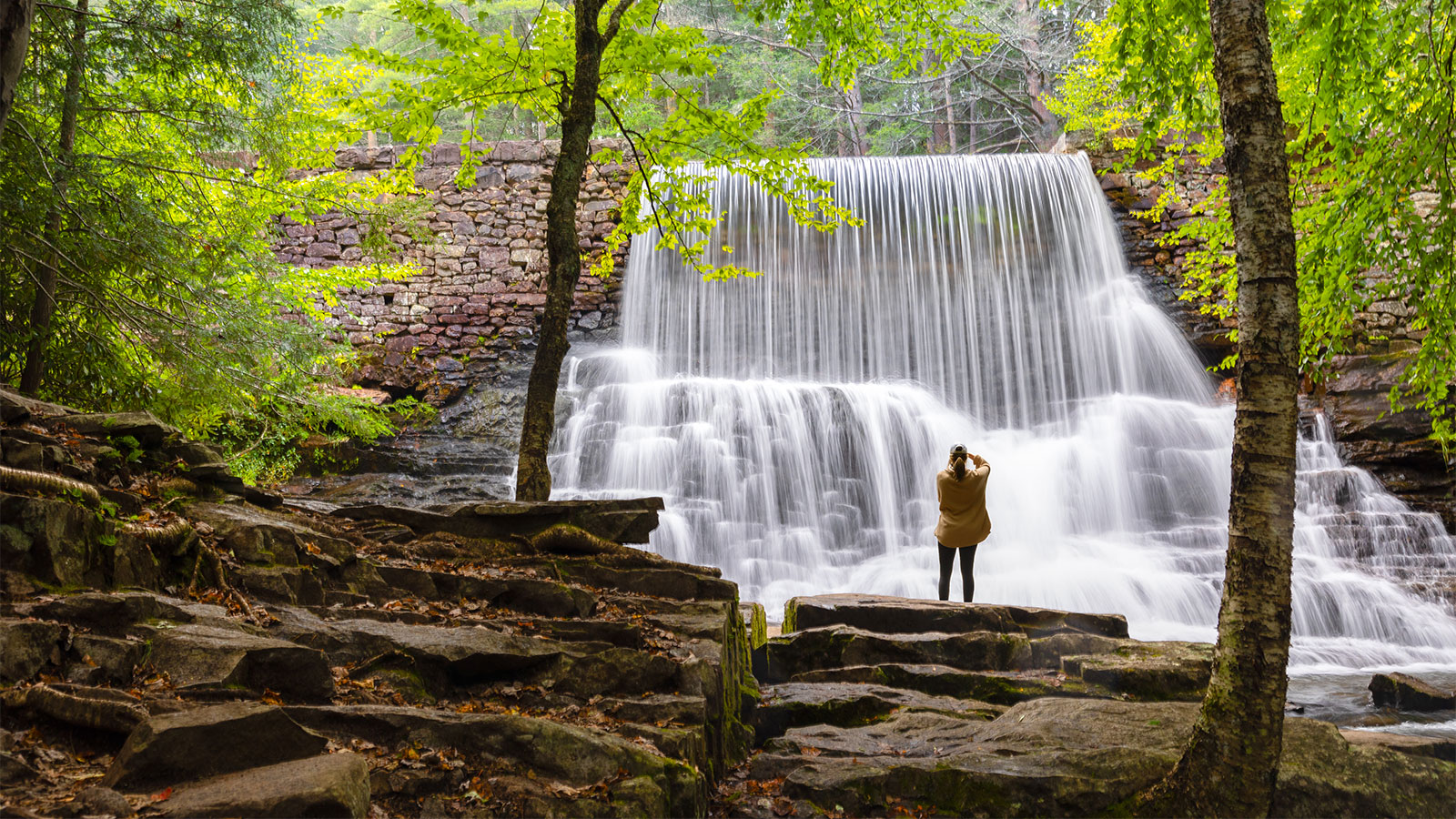
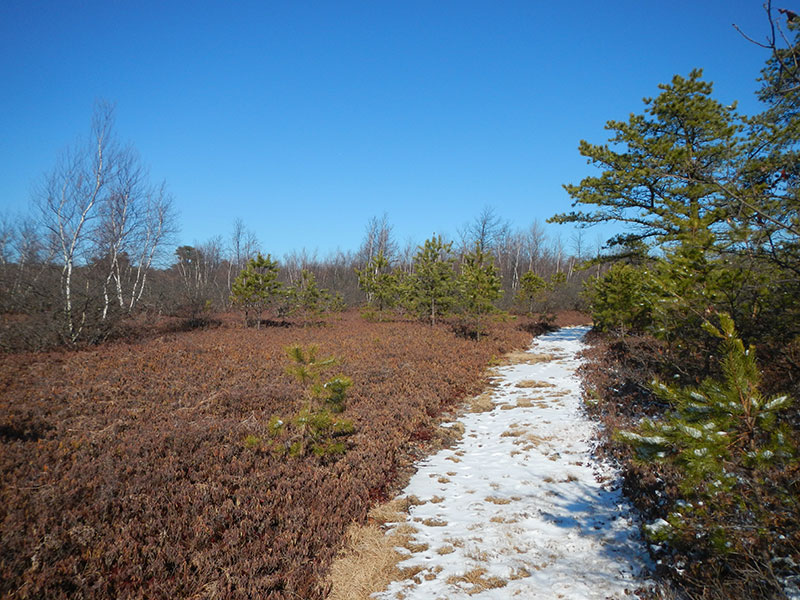
As the first frost settles across Northeastern Pennsylvania, it brings more than just cooler weather as the stage is set for the most scenic and active time of year. Like the plants and animals in the region, humans must also adapt and prepare for the coming winter months ahead. The crisp air and colorful landscapes invite hikers, hunters, and nature lovers alike to enjoy the outdoors before winter fully arrives.
While outdoor recreation for many becomes a staple as the weather cools and landscapes change, the cooler weather usually also marks the beginning of hunting season. As the forest leaves crunch behind every step, wildlife becomes more active, and the forest reveals a new identity for all to experience. This time of year, also serves as a time to be mindful of shared lands – especially as hunting season begins. More information on the Pennsylvania Game Commission’s seasons and bag limits can be found here.
To stay safe as you trek through the forest, the American Hiking Society offers these tips:
- Wear bright colors (specifically bright orange as it notifies hunters that you are around)
- Use reflective gear (for dusk and dawn where there may not be 100% light)
- Bring a flashlight to reveal any inconsistency in hiking surfaces or obstructions on the trail (slippery surfaces, leaf decay, rocky terrain, etc.)
- As temperatures begin to drop, be mindful and layer up appropriately
- If you hear/see hunters in the area, speak up!
Public lands are for everyone, whether you are hiking, hunting, or simply soaking in the beauty of fall. And just like frost signals change to plants and animals, it also reminds us to prepare and appreciate the season for all it provides.
Final Thoughts from NBLT Executive Director, Ellen Ferretti
“We are so fortunate to have a full four seasons here in Northeastern Pennsylvania. [For the people it presents] four distinct ways to enjoy the outdoors.”
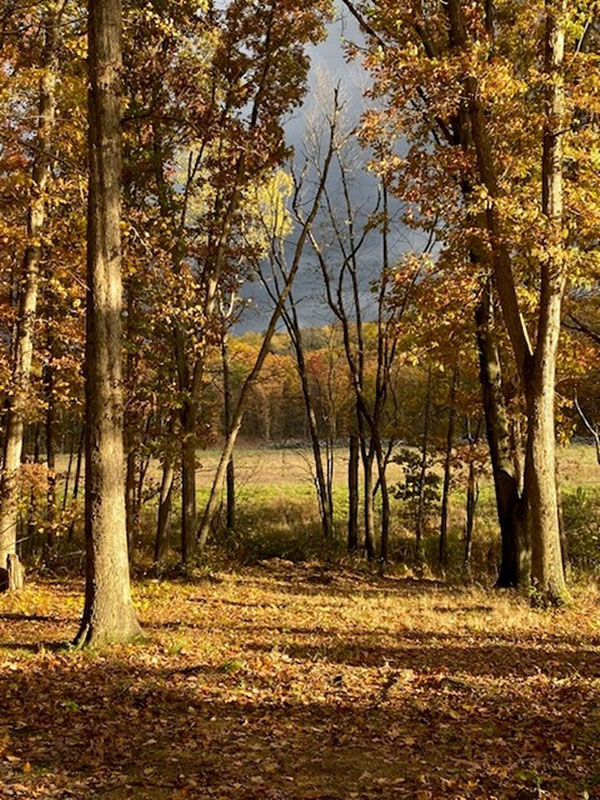
In autumn, the first frost settles over Northeastern PA signaling more than just a drop in temperature. It marks a shift in behavior and action as nature shifts gears. While plants begin their transition, animals too continue to adapt in ways which best suit them. For humans, it implies finding new ways to enjoy and prepare for the months ahead whether that means layering up for a hike or simply admiring the changing leaves.
In Northeastern Pennsylvania, the first frost reminds us of all that we are part of a larger ecological community and is the start of something new to come. This shared experience that occurs every year has become a defining moment of preparation and appreciation for the natural world that surrounds us. And so, the seasonal cycle continues.
Featured image (top) courtesy of North Branch Land Trust.