















March in Northeastern Pennsylvania is a Study in Contrasts
Off colored patches of snow linger beside muddied trails, cold mornings begin to give way to soft, golden afternoons, and forests seem silent until suddenly they aren’t.
As winter loosens its grip, the natural world begins its quiet, steady transformation. The earliest signs of spring aren’t always the showy blooms or warm breezes we associate with the season. Often, there are subtle shifts that take place before the break in weather or daylight-saving time: a bird call you haven’t heard in months, a bud swelling on a branch, the first chipmunk braving the chilly air. These small signals tell a much bigger story about the resilience of ecosystems and the importance of protecting them.
FLORA & FAUNA: From Quiet Growth to On The Move
Early spring wildlife activity is one of the most reliable indicators that the season is changing. Migratory birds return, amphibians make their great migration during “The Big Night”, and pollinators begin to emerge, eager to find the first blooms.
Flying Home
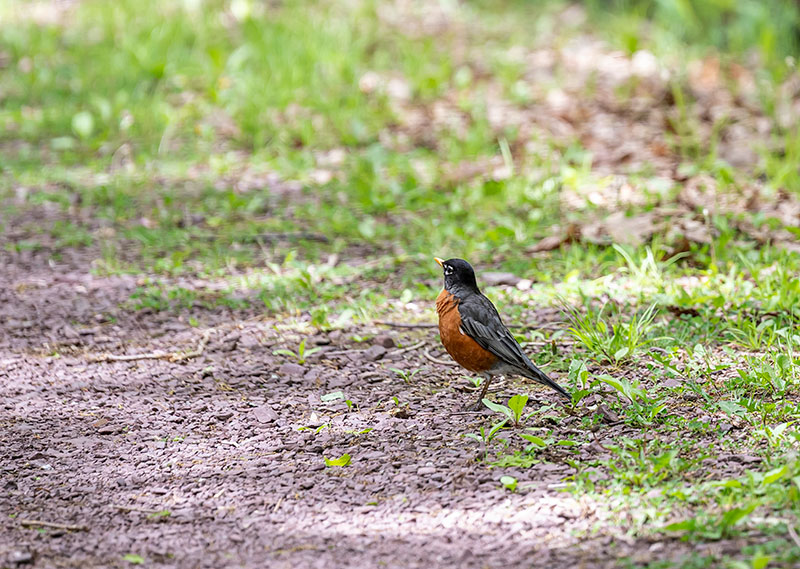
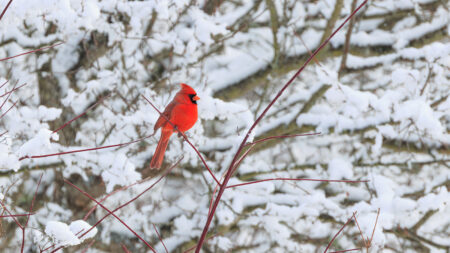
Robins hastily foraging for earthworms across the lawns, bluebirds scouting for their next place of residency, and cackles echoing from in the sky produced by the first flocks of geese shifting North… have you spotted any of these species’ activities recently? Northeastern Pennsylvania is situated on the Atlantic Flyway, so bird activity is one of the earliest and most reliable (and exciting) signs of spring. Their arrival is tied to daylight length more than temperature, making them a dependable seasonal marker.
Conservation Note: Support local bird populations by maintaining or installing bluebird boxes (cleaned and ready by early March) and consider planting native shrubs that provide early-season food and shelter. Wetland protection is especially important in Northeastern Pennsylvania, as many early migrants rely on marshes and riparian corridors that are vulnerable to development.
Early Wildflowers, Budding Trees, and Hungry Pollinators
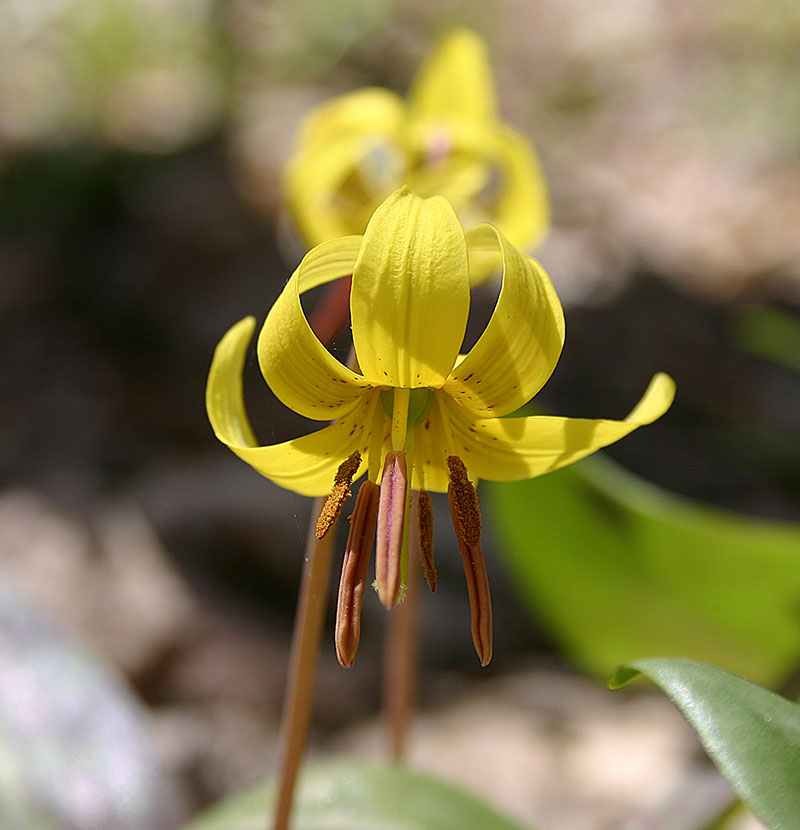
As skunk cabbage melts snow in wetlands, snowdrops and crocuses push through the cool soil, and the first leaves of trout lily and spring beauty show face, bumblebee queens emerge from hibernation, searching for nectar sources. Their presence is a reminder of how essential early-blooming native plants are to our ecosystem.
Conservation Note: Consider planting native early bloomers and avoid early spring yard cleanups. Leaving leaf litter and hollow stems intact until temperatures are consistently warm protects overwintering bees and beneficial insects.
The Great Amphibian Migration!

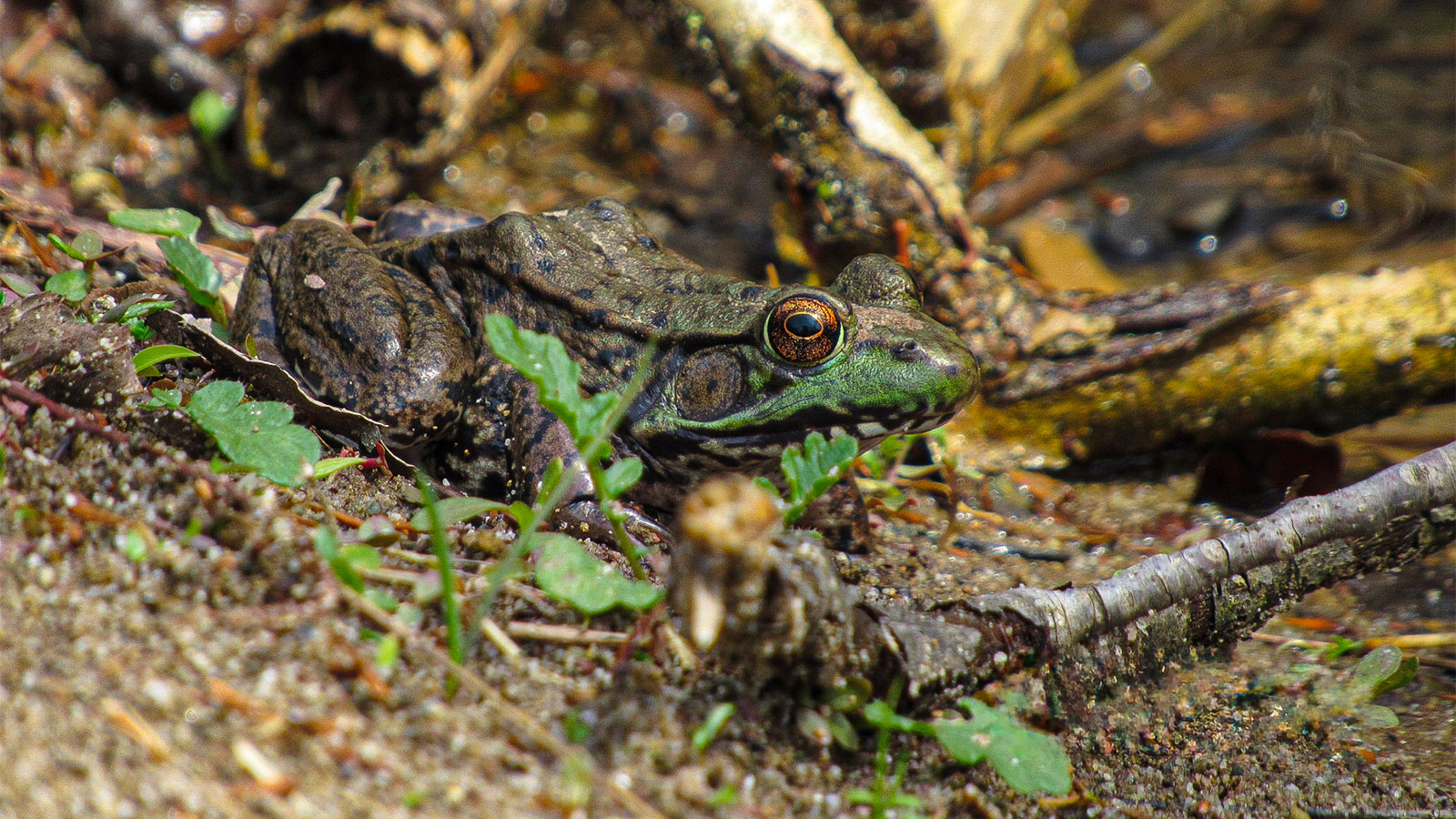
The bustling forests of Northeastern Pennsylvania’s region are dotted with vernal pools, making it a hotspot for early amphibian movement. When nighttime temperatures grow above fifty degrees and rain begins to frequent our forecast, Spotted salamanders, wood frogs, and spring peepers make a mad dash from their burrows to these temporary bodies of water for what’s also known as “The Big Night”, a vital action for their population, (which often takes playing a real-life game of “Frogger” to get there.)
Conservation Note: Simple community-based conservation decisions can largely impact our regions amphibian species populations. On warm and rainy spring nights drive slowly, volunteer with local “amphibian crossing” groups, avoid disturbing vernal pools during breeding season, or join North Branch Land Trust for an evening of environmental education and hands on experiences at “Secrets of Seasonal Pools” on March 28th at The Manny Gordon Recreational Area.
Conservation in NEPA: Why These Early Signs Matter
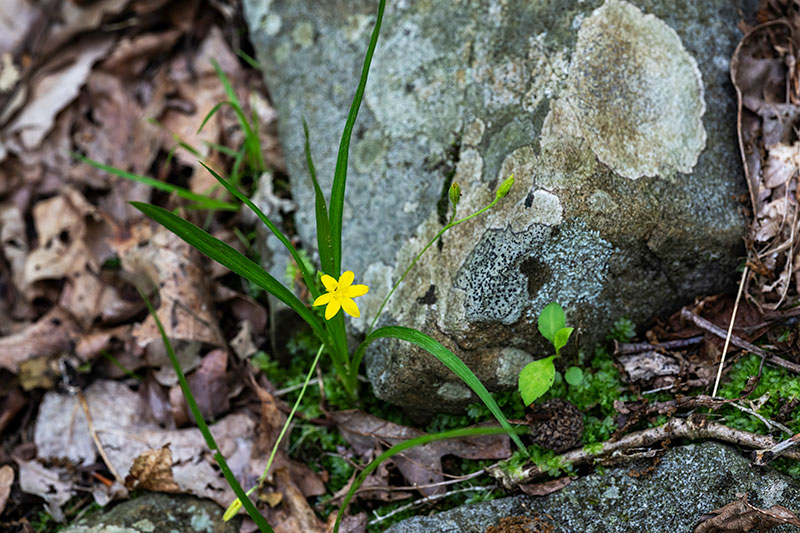
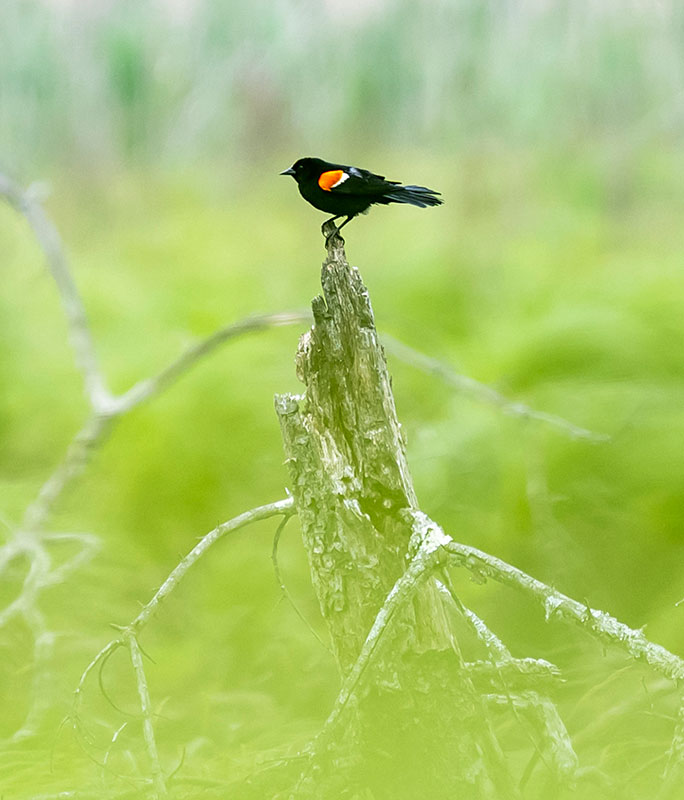
Our region is rich with biodiversity and home to some of the most vulnerable spring habitats that include Vernal pools, (essential for amphibian breeding), wetlands (that support early plant and bird life), and meadows and forest edges (where pollinators first forage). As winter fades and the familiar first signs of spring begin to stir: the call of a redwinged blackbird, the glow of moss after rain, the quiet march of salamanders on the Big Night, Northeastern Pennsylvania reveals just how alive and interconnected its landscapes truly are. These early seasonal cues aren’t just charming markers of change; they are reminders that the natural world is always in motion, and that our stewardship helps ensure these rhythms continue for generations.
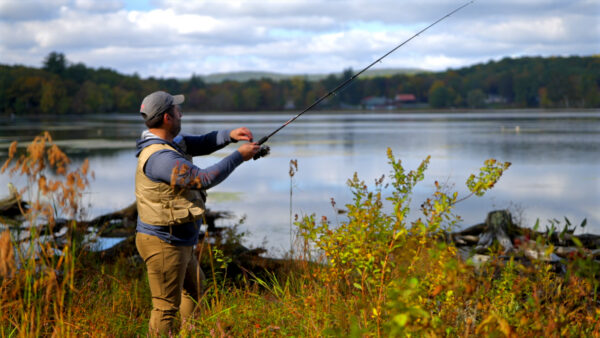
Featured image (top) courtesy of Brittany Lynn.
Connect with North Branch Land Trust
For more information on North Branch Land Trust’s mission or to register for upcoming events, visit nblt.org. While you’re visiting the website, explore all the ways North Branch Land Trust conserves and stewards the lands and waters of Northeastern Pennsylvania! In 30+ years, the Land Trust has been a force for conservation in Northeastern Pennsylvania through the generosity of our supporters.