














When Rivers Become Allies
The winding rivers of Northeastern Pennsylvania hold secrets. Not the kind you’d find in a mystery novel, but powerful, practical solutions to some of our most pressing community challenges—if we’re willing to work with nature rather than against it.
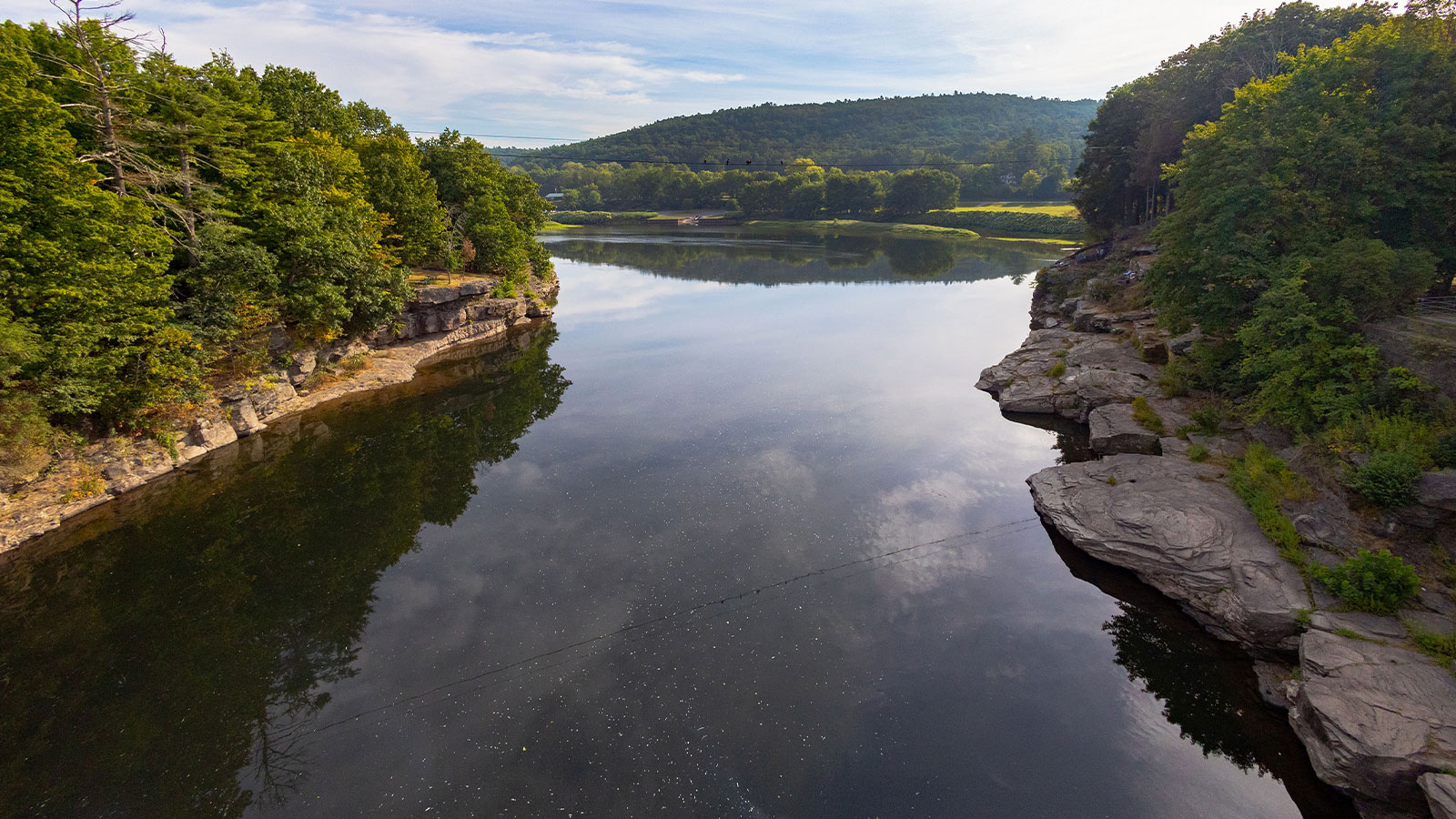
Standing at the confluence of the Lackawanna River and Susquehanna River in Pittston, it’s easy to see only what humans have built: bridges, flood walls, and developed riverbanks. But look closer, and you’ll begin to understand the latent potential flowing through our region.
Every year, communities across Carbon, Lackawanna, Luzerne, Monroe, and Pike counties face increasing challenges from flooding events that seem to grow more intense with each passing season. The traditional response has been more concrete, more culverts, more control. But what if the rivers themselves hold the answers?

Nature’s Infrastructure: Already Built and Ready to Work
Natural infrastructure isn’t just a fancy environmental term—it’s a pragmatic approach that leverages existing landscapes to provide essential services. In Northeastern Pennsylvania, this means:
Floodplains that Function
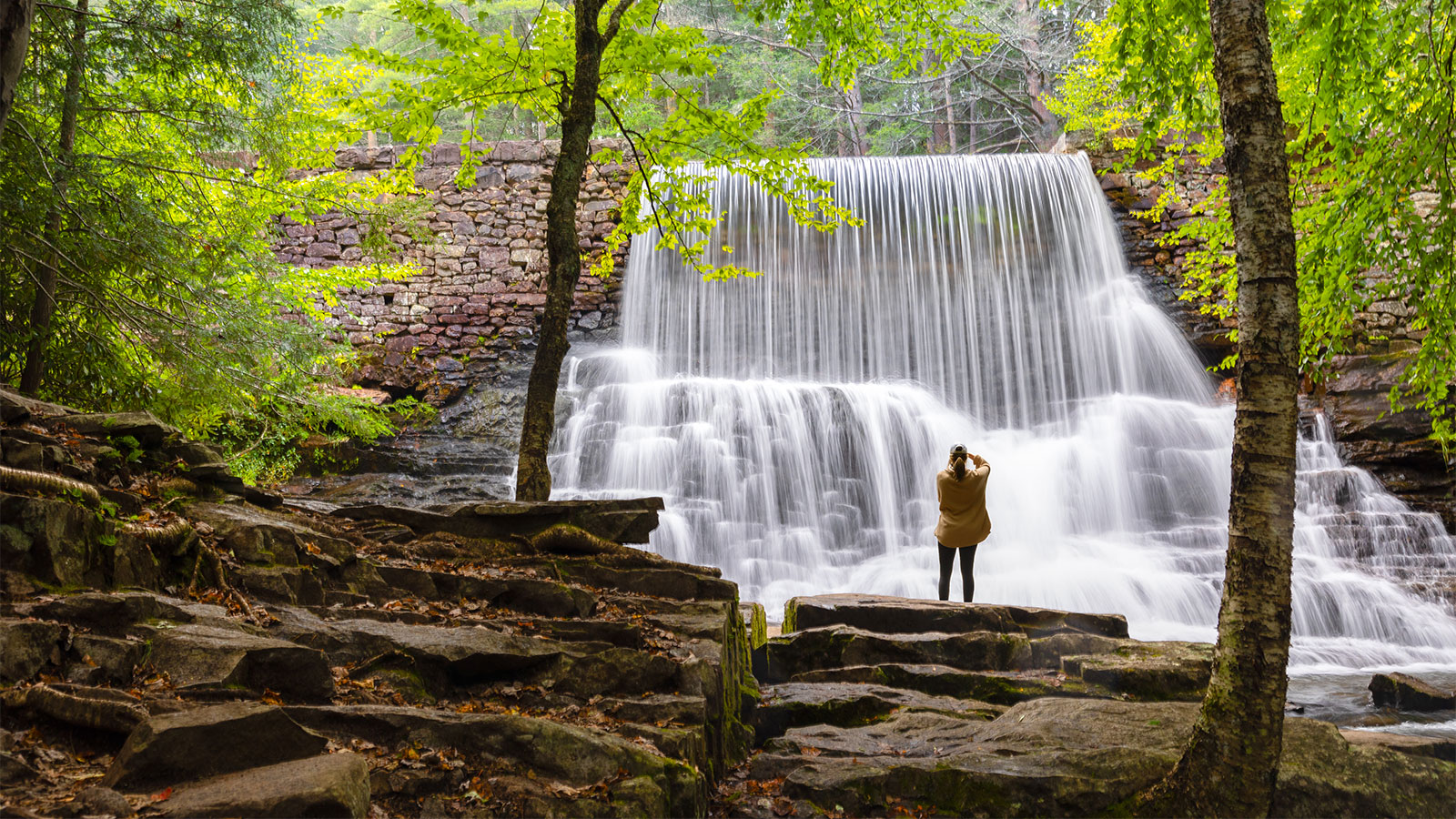
The broad, flat areas alongside the Lehigh River and its tributaries aren’t just empty space—they’re sophisticated flood control systems waiting to be restored. When connected to their rivers, these floodplains act like massive sponges, absorbing excess water during heavy rains and releasing it slowly afterward.
In communities like Jim Thorpe and White Haven, reconnecting floodplains could reduce downstream flooding in Allentown and beyond while creating spectacular riparian habitats teeming with life.
Wetlands that Work Wonders
The Pocono Mountains region once boasted extensive wetland systems that filtered water to crystal clarity before it entered our streams and rivers. Today, we’re rediscovering their value.
A single acre of restored wetland can filter out pollutants from thousands of gallons of water daily—better than any human-engineered treatment plant—while providing crucial habitat for native species like the eastern hellbender salamander, whose presence indicates exceptional water quality.
Forests that Filter
The forests cloaking the ridges of Northeastern Pennsylvania don’t just provide spectacular fall foliage tours—they’re the first line of defense for water quality. Every acre of forested watershed prevents approximately 30,000 gallons of stormwater runoff annually.
Along streams like Brodhead Creek in Monroe County, restored forested buffers now prevent erosion and filter agricultural runoff before it reaches trout-filled waters.
Real Results in Our Communities
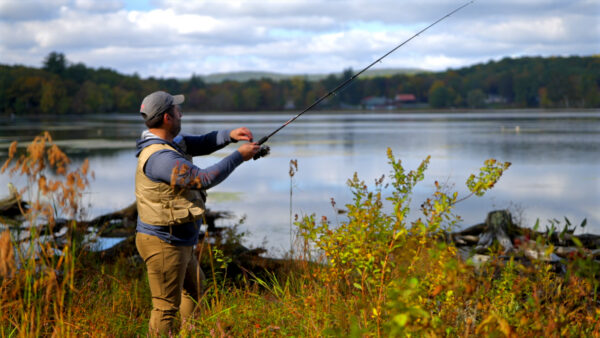
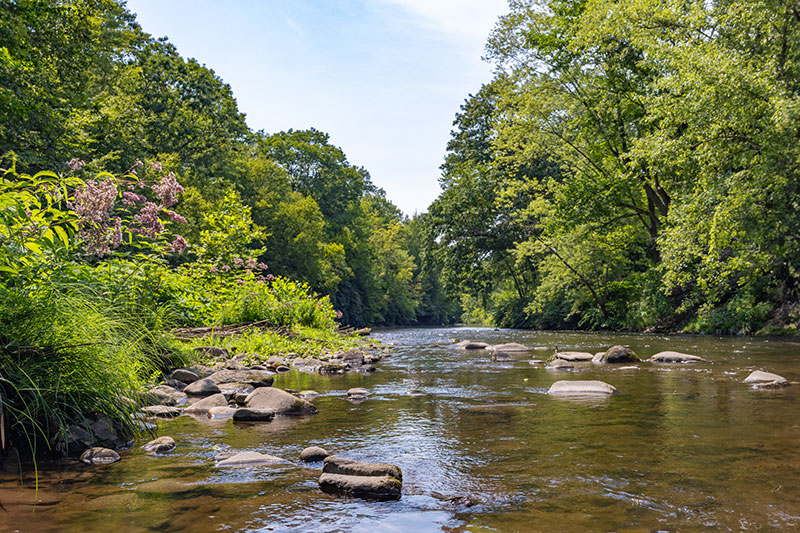
This isn’t theoretical—it’s already working in our backyard. Lackawanna River Conservation Association’s restoration efforts have helped transform the Lackawanna River from an industrial casualty to a Class A Wild Trout stream in many sections, bringing anglers and their tourism dollars to communities like Carbondale and Scranton.
The Delaware River Watershed Initiative has protected and restored critical lands throughout the Pocono Mountains, helping ensure that the drinking water for millions remains clean while creating new recreation opportunities.
Wyoming Valley Flood Reduction Projects that incorporated natural elements like riparian buffers and wetland restoration have proven more effective and less costly than traditional infrastructure alone.
Beyond Protection: Community Connections
The beauty of natural infrastructure is that it provides multiple benefits simultaneously. A restored floodplain doesn’t just reduce flooding—it becomes:
- A biodiversity hotspot where native plants and wildlife thrive
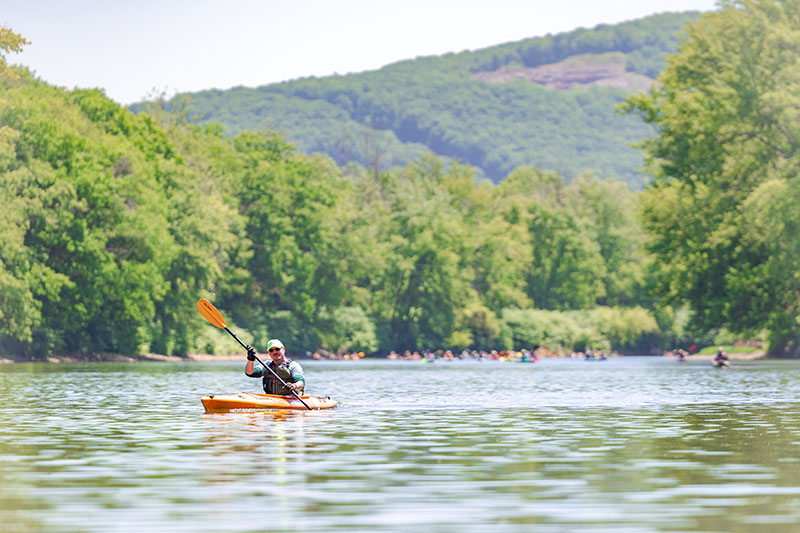
- A recreation corridor for hiking, birding, and paddling
- A natural classroom for local schools
- A place of beauty that improves community wellbeing and mental health
In Wilkes-Barre, the River Common project has shown how communities can reconnect with waterways once viewed only as threats or transportation corridors. Families now gather along the Susquehanna River for concerts, farmers markets, and simply to enjoy the river’s presence.
The Economic Case
For budget-conscious municipalities across Northeastern Pennsylvania, natural infrastructure offers compelling advantages:
- Durability: Natural systems often strengthen over time, unlike hard infrastructure that degrades
- Lower maintenance costs: Once established, natural systems largely maintain themselves
- Multiple funding sources: Projects qualify for environmental, recreational, and infrastructure grants
- Property value increases: Homes near healthy, accessible waterways command premium prices
A study by the Pennsylvania Department of Conservation and Natural Resources found that every dollar invested in watershed restoration returns approximately $7 in economic benefits.
The Path Forward
The potential exists—rippling through every stream valley and wetland in Northeastern Pennsylvania. But realizing it requires action:
- Support municipal ordinances that protect remaining floodplains and wetlands from development
- Advocate for funding to purchase and restore critical riparian lands
- Volunteer with local watershed associations for restoration projects
- Visit and appreciate our region’s water resources—people protect what they love
As we face increasing climate uncertainties, Northeastern Pennsylvania’s waterways offer not just challenges but solutions. By recognizing rivers, streams, wetlands, and floodplains as critical infrastructure rather than obstacles to development, we can build communities that are more resilient, vibrant, and connected.
The next time you cross the Lehigh, the Delaware, the Lackawanna, or the Susquehanna River, look beyond the water’s surface. What you’re seeing isn’t just a river—it’s untapped potential flowing through the heart of our communities, ready to work for us if we’re willing to work with it.