















7 Tips to Reduce Hypertension for a Healthier, Active Life
There’s good reason why your blood pressure is taken first at all routine doctor visits. High blood pressure, also known as hypertension, is very common, especially as we age. And it often comes with no warning signs.
“One of the most dangerous health conditions is also one of the sneakiest — it’s sometimes referred to as the ‘silent killer’,” says Nicholas lerovante, DO, an interventional cardiologist at Geisinger. “The only way to know if you have high blood pressure is to measure it.”
Your blood pressure reflects how hard blood pushes against your artery walls as your heart beats, as well as between beats. If that force stays too high, it can damage blood vessels and raise the risk of heart attack, stroke and organ damage over time.
But you can take steps right now to control your high blood pressure — and possibly even reverse it — to reduce your risk of complications and protect your long-term health.
Understanding blood pressure readings
Your blood pressure reading includes 2 numbers. The top number (systolic pressure) measures the pressure in your arteries when your heart beats. The bottom number (diastolic pressure) measures the pressure when your heart rests between beats.
There are 5 categories for blood pressure readings:
- Normal: Less than 120/80 mm Hg
- Elevated: Systolic between 120 to 129 and diastolic less than 80
- Stage 1 hypertension: Systolic between 130 to 139 and diastolic between 80 and 89
- Stage 2 hypertension: Systolic is 140 or higher and diastolic is 90 or higher
- Hypertensive crisis: Systolic over 180 and diastolic over 120
A hypertensive crisis means you need emergency medical attention, especially if you have chest pain, shortness of breath, weakness or changes in vision or speech.
“The higher your blood pressure and the longer it goes uncontrolled, the greater the damage,” says Dr. Ierovante. “High blood pressure causes excessive pressure on your artery walls and can damage blood vessels, increasing risk of heart attack, stroke and aneurysm. It can even damage your brain, heart, eyes and kidneys.”
7 tips on how to reduce high blood pressure
Healthy lifestyle habits are the foundation of blood pressure control.
“Small, steady changes add up and can make a meaningful difference for your heart and overall health,” says Dr. Ierovante. “Even if you’re taking blood pressure medications, lifestyle changes are a key part of treatment.”
Take control of your heart health one step at a time. Here are 7 tips on how to reduce high blood pressure:
Know your numbers
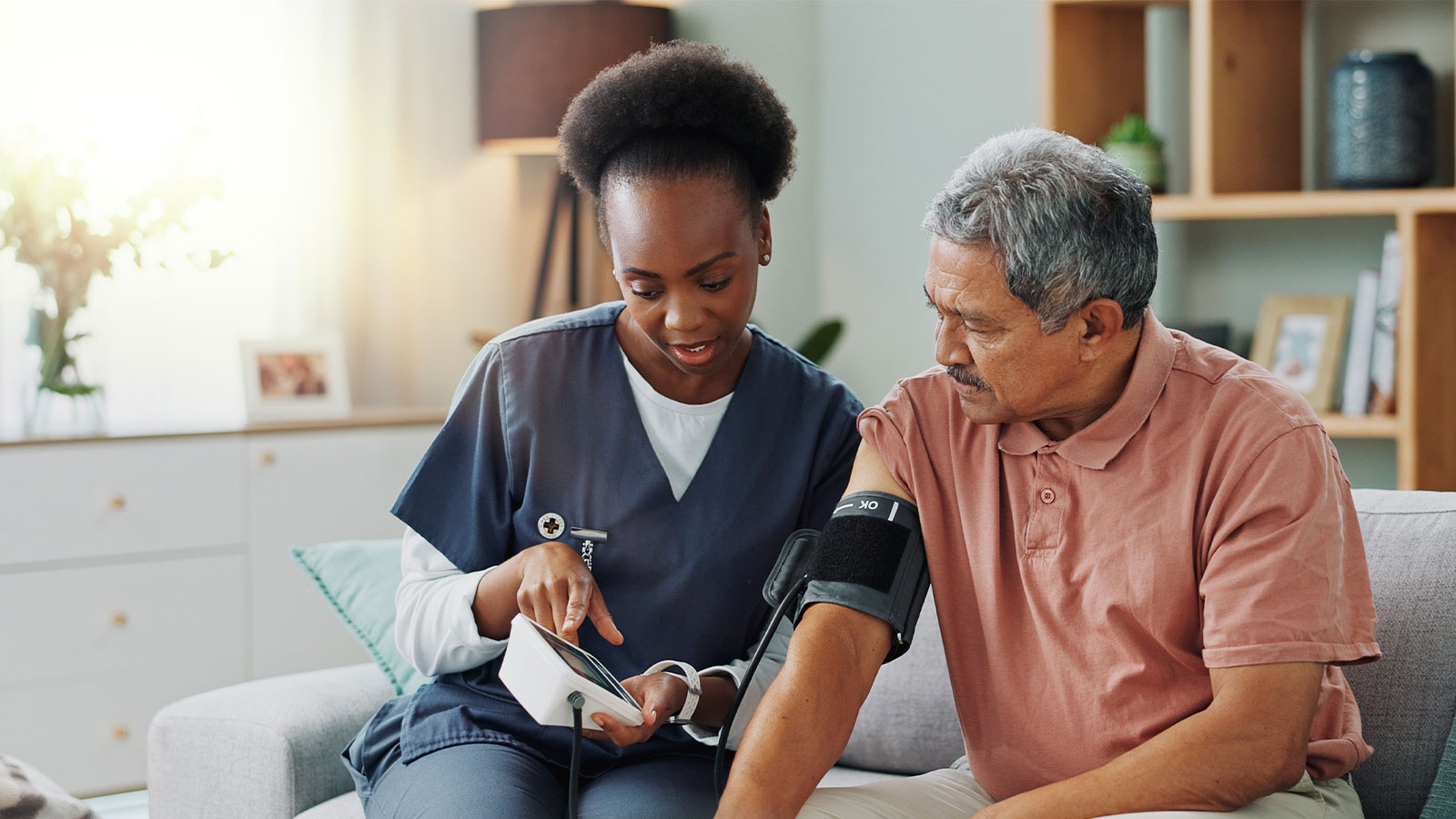
The first step in controlling your high blood pressure is knowing your numbers. Your provider may recommend self-monitoring at home in between appointments for a more complete understanding of your condition and risks.
“Routine measurements can alert us to changes in your blood pressure and help us spot patterns,” says Dr. Ierovante. “Tracking your results over time also tells us if lifestyle changes and medications are working or if adjustments need to be made.”
Keep tabs on your numbers using a home blood pressure monitor. Keep a log of your results and bring it with you to your next appointment to guide decisions.
Eat heart-smart and hold the salt
As the saying goes, you are what you eat. Following the DASH (Dietary Approaches to Stop Hypertension) diet, which prioritizes fruits, vegetables, whole grains, lean proteins and low-fat dairy, makes a big difference in heart health.
You should also limit sodium to 1,500 to 2,300 mg per day. Too much salt causes your body to retain fluids, which increases blood pressure. And cut back on added sugars, refined grains and trans fats from fried foods.
“Getting more potassium, found in bananas, avocados, sweet potatoes and tomatoes, can help your kidneys eliminate excess sodium to lessen the effects of salt in your diet,” says Dr. Ierovante. “But talk to your doctor before starting a high-potassium diet, especially if you have kidney disease.”
To stay on track, cook at home more often, read food labels and opt for fresh foods over processed whenever possible.
Keep your body moving
Exercising is a great way to strengthen your heart muscle and improve its efficiency to lower blood pressure. For best results, aim for 150 minutes of moderate-intensity exercise each week, plus 2 days of strength training. Not much for jogging or hitting the gym? There are plenty of easy, creative exercises you can try, like bicycling, brisk walking, swimming or even dancing or gardening.
“You don’t have to do it all at once, either,” says Dr. Ierovante. “Short, 10-minute bursts of activity a few times a day add up and can be just as beneficial as a 30-minute workout.”
Maintain a healthy weight
Being overweight puts extra strain on the heart to pump blood through a larger body. Blood pressure may increase as body weight increases — but the opposite can be true, as well.
“Losing as little as 5% to 10% of your body weight can lower blood pressure significantly,” says Dr. Ierovante.
Eating a healthy diet, portion control and regular exercise make weight management much easier. But if you aren’t seeing the weight loss you need to, ask your provider about working with a registered dietitian for an individualized plan.
Quit smoking and drink less
In case you needed another reason to quit, smoking nicotine makes your heart work harder, raises blood pressure and can damage blood vessels. Rather than quitting cold turkey, work with your doctor to come up with a plan that you can stick with.
While you’re at it, limit alcohol — or better yet, avoid it altogether — having a maximum of 1 drink per day for women and a maximum of 2 for men. Alcohol constricts blood vessels, which increases blood pressure.
Reduce stress
Reducing stress is beneficial for all areas of your health, but especially your heart. Stress causes blood pressure spikes and can lead to unhealthy coping mechanisms like overeating, smoking or drinking alcohol.
Some relaxation techniques to try: deep-breathing exercises, meditation and yoga. Getting 7 to 9 hours of sleep every night and making time for the things you enjoy reduces stress, too.
Take meds as prescribed
When lifestyle changes aren’t enough to lower blood pressure, your doctor may prescribe medications.
You might need one or a combination of drugs, depending on the severity of your condition. Diuretics help eliminate sodium and excess fluid from your body. Other options help keep your arteries from tightening or narrowing, or slow your heartbeat altogether.
“Be sure to take these medications as prescribed so they work as intended,” says Dr. Ierovante. “And never stop taking them without first talking with your doctor. It can be dangerous and lead to serious health problems.”
Feeling some side effects? Don’t hesitate to tell your provider. They may change the dose or prescribe something else that works better for you.
Have regular checkups for hypertension
See your provider regularly to keep your high blood pressure under control over time. Because high blood pressure doesn’t have noticeable symptoms, they can detect changes early and adjust your treatment plan to help prevent complications.
“Bring your home blood pressure log to appointments, ask questions and share what’s working well for you,” says Dr. Ierovante. “Together, you and your healthcare team can refine your plan to keep your numbers in a healthy range so you can lead a healthier, active life.”