

Join the Great Backyard Bird Count with North Branch Land Trust
This February, dedicate a few moments towards ornithology and participate in a citizen science project created to better understand global bird populations and migratory patterns.

Cold Days, Clear Data
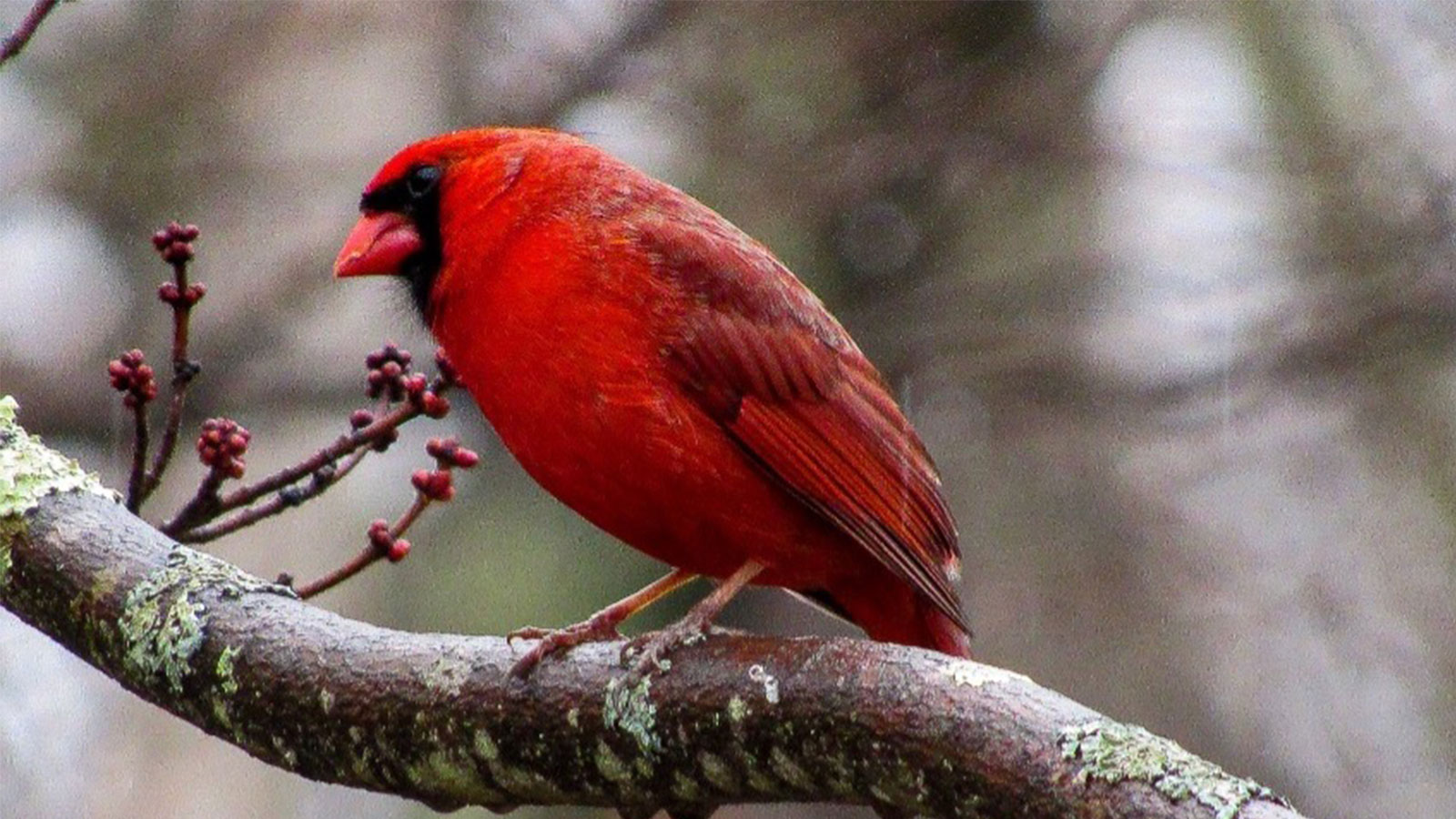
The rush of the holiday season dissipates, and the familiar January lull blankets Northeastern Pennsylvania like a long exhale. Most of the landscape remains enveloped by frost and silence, and the days seem forever shortened, leaving even the most optimistic mind to crave a renewed sense of connection. From the flash of a cherry red Northern Cardinal amongst the evergreens to the familiar “dee dee” chatter of (my personal favorite) Black-Capped Chickadee, birdwatching is a welcomed spark amongst the muted skies, and is a popular antidote to combat the winter blues. Furthermore, by devoting as little as fifteen minutes to one weekend in particular, you can significantly impact a global wide study of wild birds, thanks to “The Great Backyard Bird Count”.
“A Day in the Life” Wintering Bird Challenges
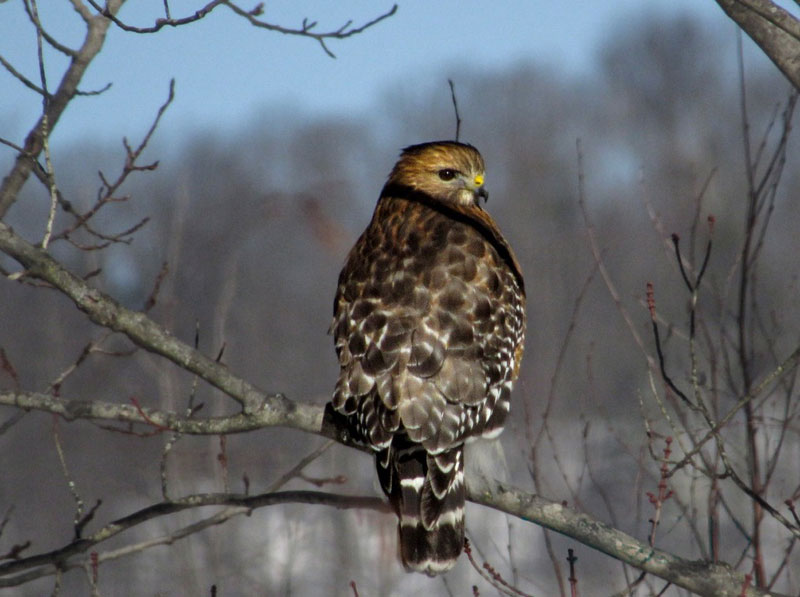
Wintering birds of our region are a beautiful reminder that throughout even the coldest months, Northeastern Pennsylvania’s natural world is still bustling with activity. Unfortunately, the season issues its own set of unique challenges, from elevated predation risks and limited food sources, to habitat loss influenced by development and altered migration timings due to climate change. Understanding how varying bird species navigate Winter’s unavoidable obstacles is essential, making The Great Backyard Bird Count an invaluable tool for conservation studies.
Why The Great Backyard Bird Count… Counts
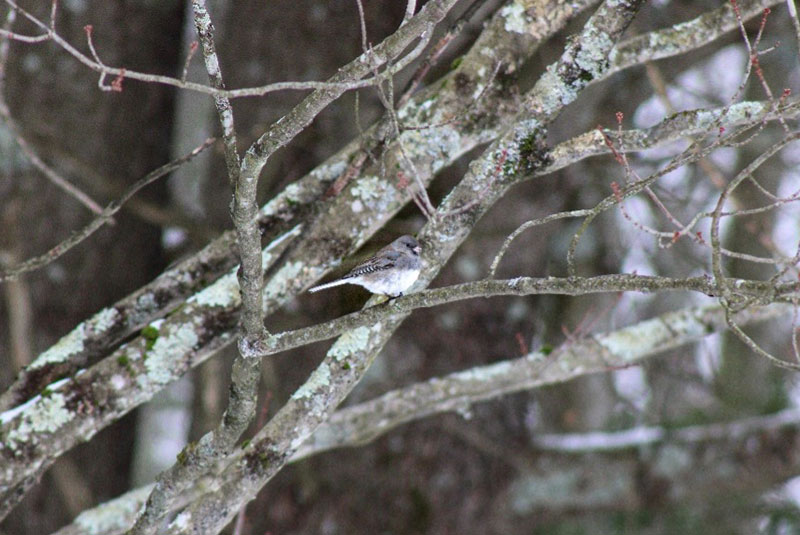
What began as a community-based science project created in 1998 by the Cornell Lab of Ornithology and the National Audubon Society is presently recognized as a global, four-day event dedicated to providing observational data to researchers in order to assist with understanding population changes, migration patterns, and potential impacts of climate change. Not only do these insights influence conservation strategies and policy decisions, they strengthen local communities and further inspire environmental stewardship of the incredible natural lands and waters that support local wildlife, (like our feathered friends.)
Helping Hands
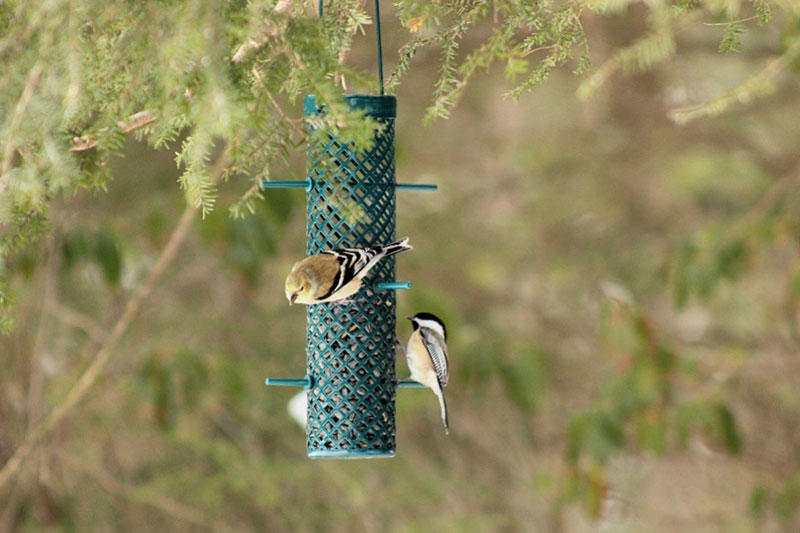
The good news? Small actions from your backyard can make an impactful difference on backyard birds and simultaneously support biodiversity.
- Provide Food Sources: high quality birdfeed and suet help birds maintain energy and body temperature when naturally supplied resources like insects and seeds are limited
- Offer Clean Water: heated birdbaths supply birds with this critical resource that is oftentimes scarce during the colder months
- Create Shelter: native shrubs, brush piles and nesting boxes supply protection from harsh weather conditions and other predatory species
- Participate in The Great Backyard Bird Count, of course!
Get Ready…
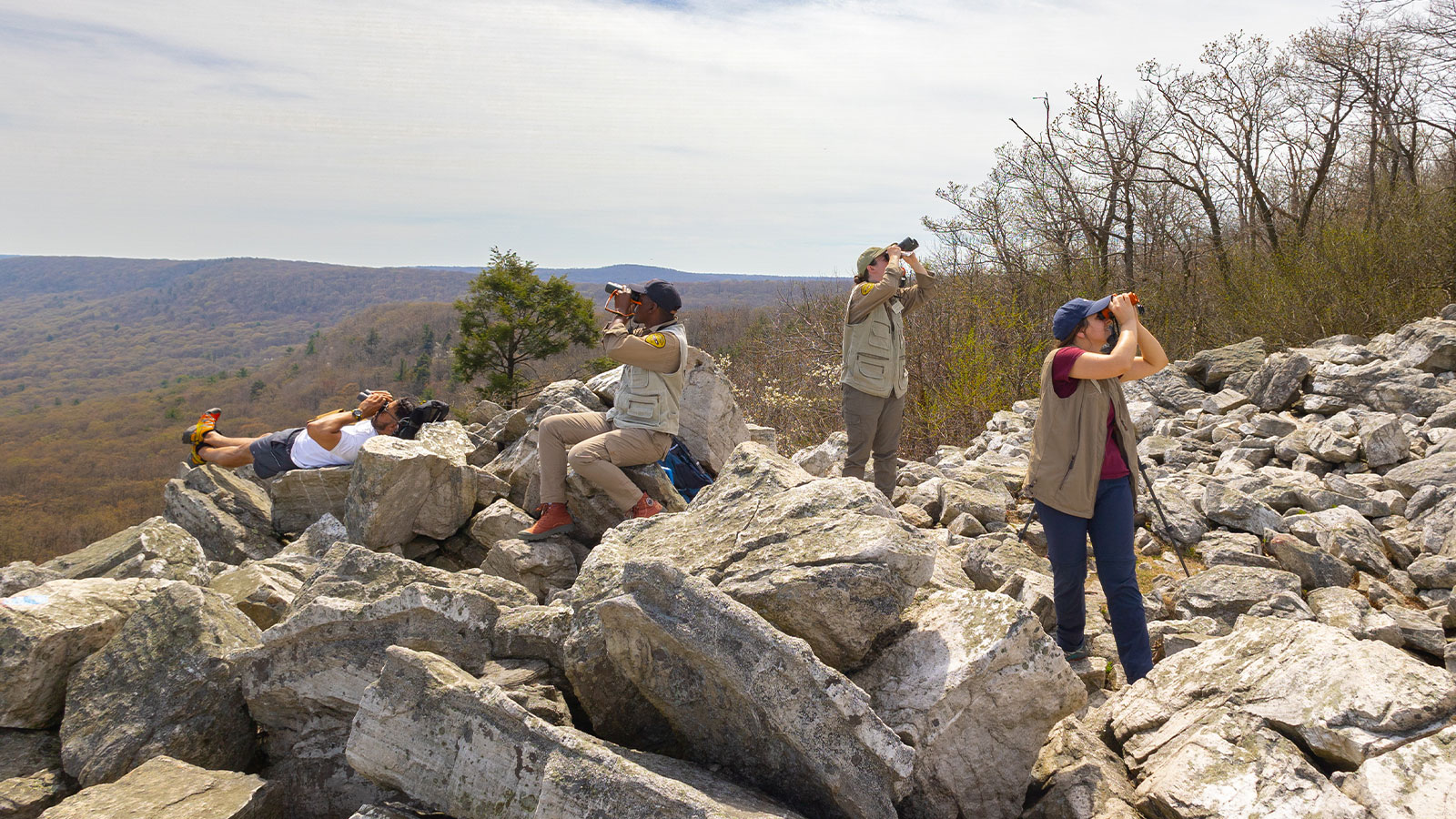
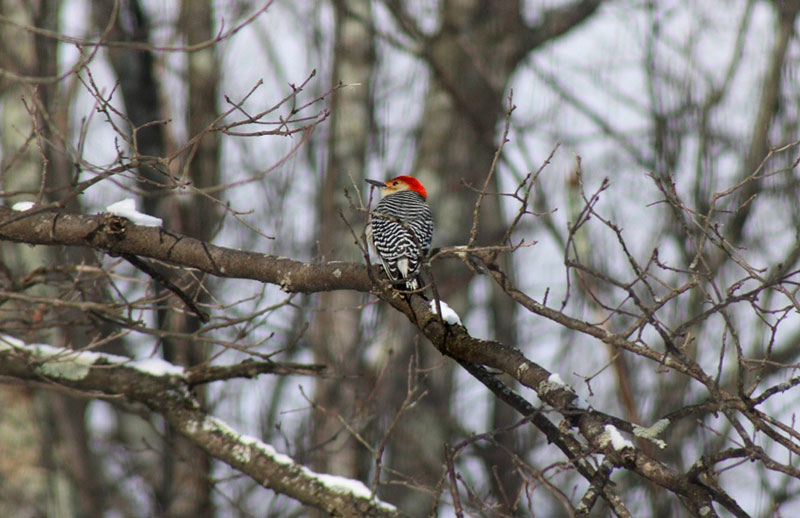
This year, “The Great Backyard Bird Count” falls over four days, from February 13-16. Spend some time at your favorite nature preserve or state park, or simply step outside your own residence for at least 15 minutes or more, and keep your eyes to the sky. As you observe the sights and sounds, keep note of each species and the quantity you identify. When you’re done, simply submit your sightings into eBird, a free mobile app utilized to track birding activity. Whether you’re exploring new practices to battle the winter doldrums, or are a seasoned participant of the GBBC, the activity of counting birds is a meaningful way to connect to nature, support conservation, and perhaps discover your next favorite hobby.
Prepare for the Bird Count with North Branch Land Trust
Join North Branch Land Trust on Thursday, February 12th for an online prequel event to The Great Backyard Bird Count. Learn more about the Bird Count, how to use eBird, and other ways to prepare for this 4-day event! For more information on North Branch Land Trust’s mission or to register for upcoming events, visit nblt.org.
While you’re visiting the website, explore all the ways North Branch Land Trust conserves and stewards the lands and waters of Northeastern Pennsylvania! In 30+ years, the Land Trust has been a force for conservation in Northeastern Pennsylvania through the generosity of our supporters.
Featured image (top) Northern Cardinal. Photo by Brittany Lynn.
Where to Go Birding in NEPA