











“The heart of this community—the character of this community—is what is really special.”
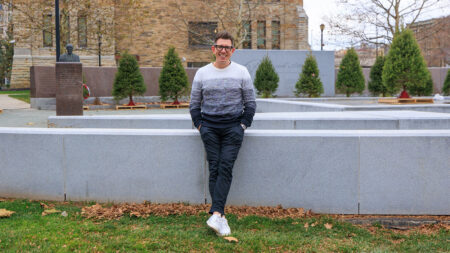
For Tom Ruskey, leading The Cancer Wellness Center of NEPA as director isn’t just a job—it’s a personal mission. Born and raised in Jenkins Township, Tom has spent his entire life in Luzerne County. He’s a Pittston Area and King’s College grad who built his early career in economic development, helping shape and grow the community he calls home. After a long stretch in the private sector, an opportunity came along that changed everything.
The Cancer Wellness Center had already been such an important part of Tom’s life and his family’s. His mom, a 21-year survivor of Stage 4 ovarian cancer and a seven-year survivor of Stage 3C pancreatic cancer, received care here. When Tom was offered the chance to become director, he said yes without hesitation. Just three days into the job, his mom passed away—but not before telling him how proud she was and how much it meant to see him step into this role.
Today, Tom carries that legacy with him, working every day to ensure that everyone who walks through the doors feels seen, supported and never alone. He lives in Shavertown with his wife, Amy, and remains close with his younger brother, who lives nearby in West Wyoming with his wife and their two daughters.
We toured the facility and then sat down in a cozy, family-room-style space to talk about the upcoming Annual Walk fundraiser, the importance of community support and—at the heart of it all—Why NEPA?
How long have you lived in NEPA?
54 years—my entire life—I’ve been in Northeastern Pennsylvania.
What do you love about your town?
I think we are in the perfect combination of not being too big and not being too small. It is very easy to make connections all throughout the community—not only where I live in the Back Mountain, but all throughout Luzerne County.
So many people talk about ‘The Valley with a Heart,’ and we see it time and time again here. Obviously, what we do is individual-based, community-based, healthcare-based, and focused on taking care of individuals. You know, it is so easy to go and ask people for help and to have them respond positively in a way that is very heartfelt.
And with being in this type of organization—focused on cancer, all for cancer patients—there aren’t many people out there who haven’t either been directly diagnosed themselves or had a close family member or friend affected. It’s something that touches everyone in this community, and the community really does come back and pay it back in spades by supporting organizations like ours.
What’s your favorite NEPA restaurant?
My wife and I are foodies, and if this goes public—we’ve become friends with several chefs in the area—if I say something, someone’s going to get mad…
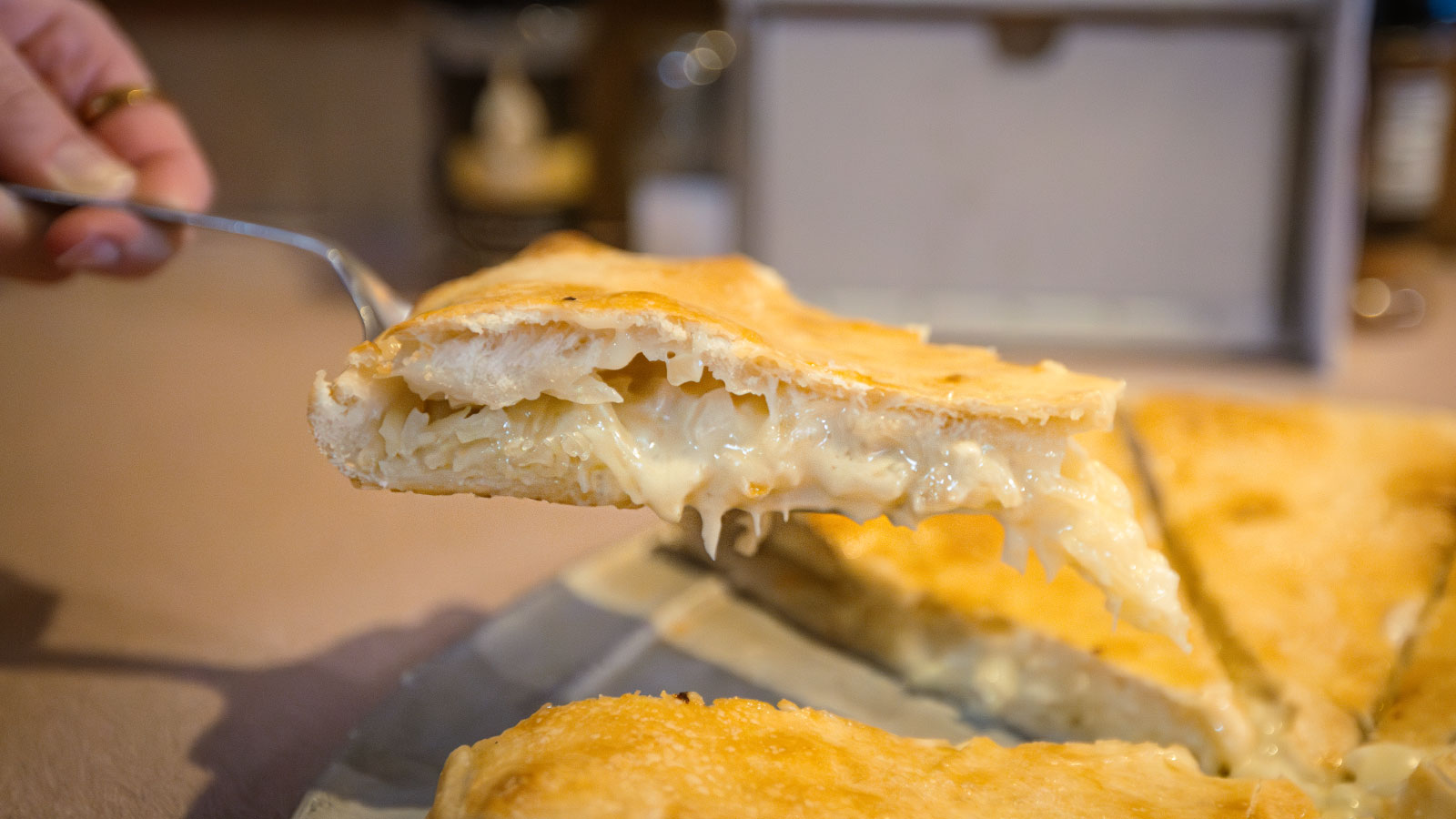
But there are so many amazing restaurants here in Northeastern PA. If we were going to narrow it down, it’s the Friedman family of restaurants—from Jeff Huntsinger out at the Beaumont Inn, who is a good friend and does an amazing job, to Wookie at Rikasa in Pittston. Growing up in Pittston, it’s amazing to see what’s become of the downtown. We still haven’t been able to get into The Refinery—everyone raves about it. My wife and I are regulars at Fire and Ice. It’s very close to our home. I think Cork has the best salmon in the world—next to Kevin’s.
What’s your favorite thing to do in NEPA?
It comes back to food. For being a smaller market, we do have some amazing restaurants, and they offer an opportunity—again—where it’s easy to become regulars, get to know the staff, and for the staff to get to know you and make recommendations for you. There are so many places we can go that are so close and make you feel that way. It comes back to the way the community makes you feel, in combination with some great restaurants and great experiences. That’s probably my favorite thing to do.
What’s next for you?
I think the next phase is really focused on what we’re doing here. You know, I’ve got several new board members who’ve come on this year, and I think that has reenergized our board—we’re really in a growth stage.
One of the critical things affecting us right now is the number of new clients we’re supporting. Last year at this time, we had about 350 active clients, plus caregivers on top of that. Now, we’re coming close to 600 clients, plus caregivers—so we’re touching over 1,000 lives. And that’s becoming a challenge because we’re very unique. There aren’t many organizations like this across the country. To be in a small market and have such a robust program says an awful lot.
We’re planning to expand our services greatly—expanding the number of people we can accommodate. And a lot of that will come from growing the development side of the organization, doing a lot more fundraising to be able to meet all of that need.
Our annual walk has really been the cornerstone fundraiser, the highlighted one, because of the amount of people and the exposure we get out of it. The past two years have been amazing. We’ve had 500 walkers in the past two years. We’ve broken our fundraising and attendance records the past two years, too, and we hope to do that again this year.
But as I talked about the growth we are experiencing, we need to raise funds more than ever because of the amount of people we are seeing here, and so making the walk bigger and better every year is our goal. And we’ve kind of morphed it into, the past couple of years, instead of just the walk day, it’s now walk week.
We’re adding events that lead up to the walk. We again have kept the pep rally party here at the center the night before. We have added a very successful purse bingo the Sunday before. It’s going to be bigger than ever. We’ve also added an after-party this year. Immediately after the walk, everyone is welcome to join us across the street at our friends at the Old Fort Brewery and part of the proceeds of that is actually coming to the center as well.
That is really the biggest thing we’re working on—both for me personally and for the organization over the next couple of years.
Where do you see NEPA heading in the future?
It’s one of keeping its character, yet growing in ways that we need to grow. One of the things you’ll see is that I think there’s been a tremendous investment in the healthcare field. If you look at the new hospitals that are moving into the area, plus the amazing expansion that Geisinger is doing—not only with the Henry Cancer Center, which is a world-class facility, but also with them expanding their operations and real estate footprint to make sure we accommodate the needs of this community going forward—that is a big part of it as well.
We’ve also always been known as an amazing place to raise a family, and that continues if you look at the small-town feel. We’re getting a lot of bigger—more sophistication in restaurants and things like that. It’s just one of those amazing places that continues to grow, yet keeps its amazing character.
Why NEPA?
Take those same reasons. It comes back to the character of this community. You fall back to the idea of ‘The Valley with the Heart.’ I see it each and every day as people support this organization—support the people that we have here. I get to see the strength of so many people who are going through the most challenging times of their lives, and to see that come out—and to see the strength of the people here, the support they have from their family and their community. So overall, the heart of this community—the character of this community—is what is really special.
The Cancer Wellness Center of NEPA