
















Guide to Pinchot State Forest – Trails, Recreation Areas & Natural Beauty
Pinchot State Forest spans nearly 50,000 acres across Lackawanna, Luzerne, Wyoming, Susquehanna, and Wayne counties, stretching over the Pocono Plateau and into the Susquehanna River and Lackawanna River valleys. The forest originated in 1902, when the Commonwealth began acquiring cutover lands left barren by the timber industry. Today, it encompasses nine forest tracts and four recreation areas, offering endless opportunities to explore Northeastern Pennsylvania’s rugged landscapes.
Named for influential conservationist Gifford Pinchot—first U.S. Division of Forestry Chief and two-time Pennsylvania governor—the forest reflects his mission to protect and manage public lands. Like all Pennsylvania state forests, it is managed by DCNR’s Bureau of Forestry as a “working forest,” balancing recreation, wildlife habitat, clean water, and responsible resource use. Visitors can enjoy hiking, fishing, hunting, winter activities, and wildlife watching, with special highlights like the Spruce Swamp Natural Area in the Thornhurst Tract, which protects more than 80 acres of rare glacial bog.

Wilkes-Barre, PA
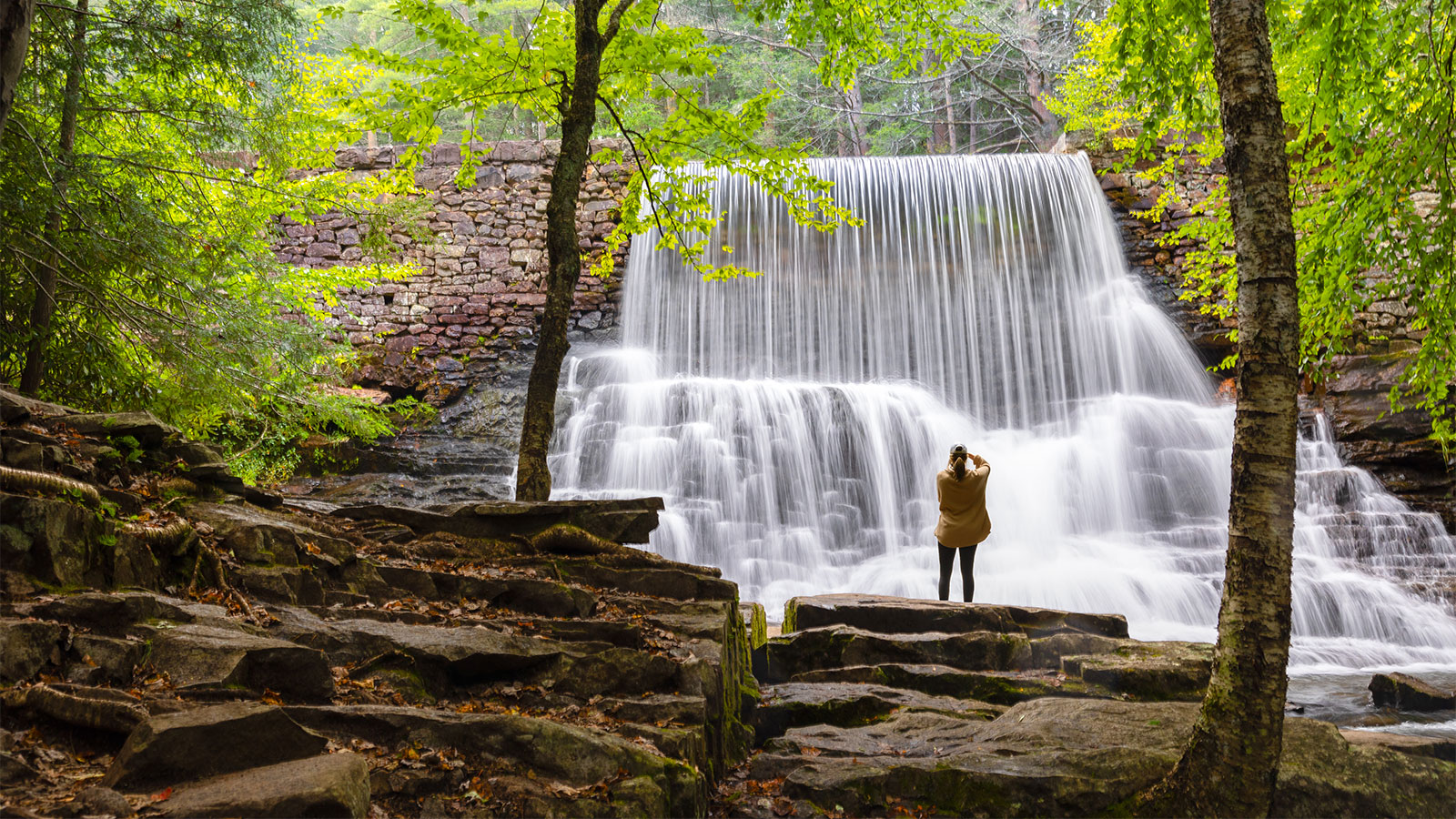
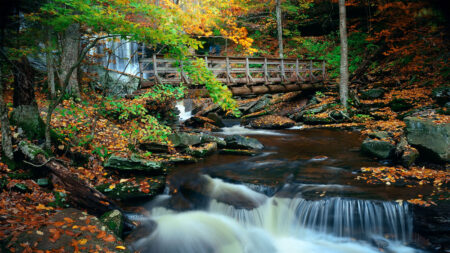
The 537-acre Seven Tubs Recreation Area is a scenic highlight of the forest, featuring waterfalls and natural potholes carved by Wheelbarrow Run. Visitors can explore the 0.3 mile Main Loop Trail for a short walk along the Tubs or the 1.8 mile Audubon Loop Trail for a longer trek along Laurel Run.
This area is strictly for sightseeing and hiking — camping, hunting, open fires, grilling, and picnicking are not permitted. With its geology, streams, and convenient parking, Seven Tubs remains one of the most visited areas in Pinchot State Forest.
Hunlock Creek, PA
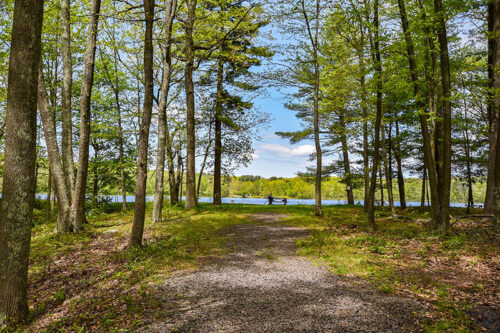
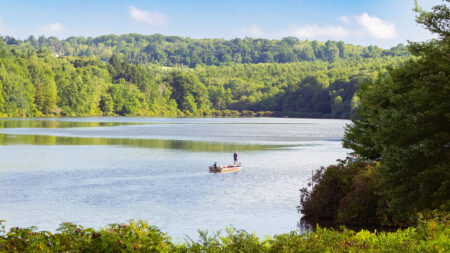
Covering 700 acres, the Moon Lake Recreation Area surrounds the scenic 48-acre Moon Lake. The lake is open to fishing and boating with non-motorized or electric craft only and is regularly stocked for anglers.
Moon Lake also features 18 miles of multi-use trails, nearly 20 miles of single-track popular with mountain bikers, and 12 rustic campsites that require advance reservation. Additional amenities include picnic areas and access roads for hiking and biking, making Moon Lake a popular recreational spot.
Learn More
Thornhurst Twp., PA
The Manny Gordon Recreation Area is best known for the 26-mile Pinchot Trail, which winds through bogs, wetlands, and dense forests to highlights like Choke Creek Falls. In addition to hiking, the area connects to a 28-mile marked snowmobile trail in winter.
Visitors will also find two picnic pavilions, which are available on a first-come, first-served basis, and three rustic campsites that require reservations. With its mix of trails and family-friendly amenities, Manny Gordon is a popular year-round stop in the Thornhurst Tract.
Learn More
Tunkhannock, PA
Miller Mountain is a 2,500-acre property and one of the Endless Mountains’ most iconic peaks. Rising to 2,216 feet, it overlooks Tunkhannock and the Susquehanna River Valley, offering dramatic views of rolling farmland and forested ridges.
The mountain is open for passive recreation such as hiking, birdwatching, hunting, and fishing, though trails remain limited to old logging paths as formal maps and parking areas are still being developed.
Visitors are asked to respect private property and follow all state forest rules while enjoying this rugged, scenic landmark.
Learn MoreYear-Round Fun at Pinchot State Forest
From summer hikes to winter sports, Pinchot State Forest offers four-season adventure across its tracts and recreation areas. Visitors can hike trails past waterfalls at Seven Tubs, bike single-track at Moon Lake, or explore the rugged Pinchot Trail from Manny Gordon. In colder months, the Thornhurst Tract transforms into a snowy destination with groomed trails for snowmobiling, cross-country skiing, and snowshoeing. Scenic overlooks like Miller Mountain and Pine Hill make the forest a favorite for fall foliage, while lakes, streams, and rivers provide fishing, paddling, and wildlife watching year-round. With so many ways to explore, Pinchot State Forest is truly a destination for every season.

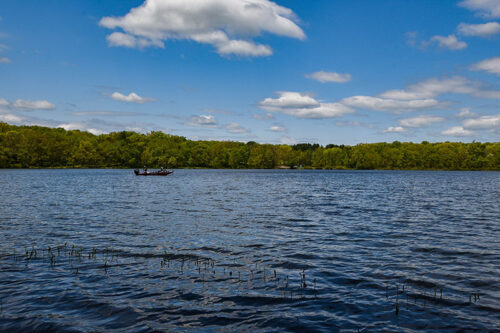
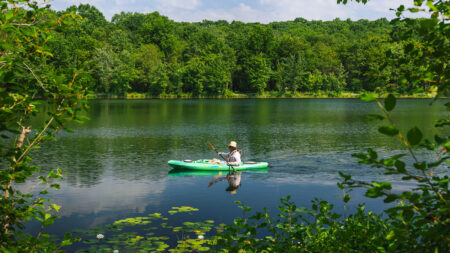
The Moon Lake Recreation Area offers the best access for boating, kayaking, and canoeing within Pinchot State Forest, with ample parking and a designated launch on its 48-acre lake. Only non-motorized and electric-powered watercraft are permitted here, ensuring a quiet, scenic experience.
Paddlers can also explore the Lehigh River via the Blue Ridge/Lehigh Tract, which provides 2.5 miles of river frontage and an access point at Evergreen Forest along River Road.
Learn More
Pinchot State Forest provides a variety of camping experiences, from primitive backpacking along trails to designated roadside and motorized campsites. Rustic sites with picnic tables and fire rings are available at the Moon Lake Recreation Area and Manny Gordon Recreation Area, while backpack camping is permitted in most areas outside of natural areas and recreation sites.
Campsites are simple and follow a “pack in, pack out” philosophy, with permits required for motorized sites and longer backpacking stays. Note that Seven Tubs Recreation Area does not allow camping.
Reserve a Campsite
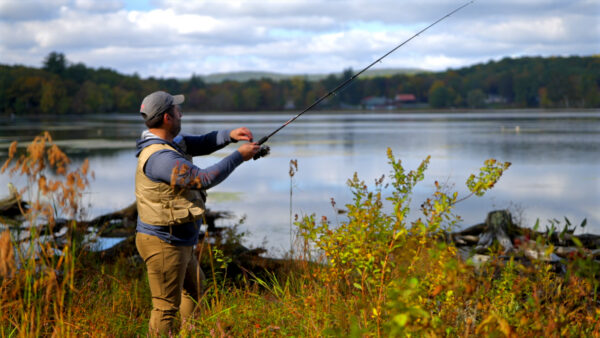
Pinchot State Forest offers several fishing opportunities, from trout streams to warm-water lakes. Harvey’s Creek and Choke Creek are popular for trout, including native brook trout, while smaller streams like Butler Run and Painter Creek also support wild populations.
Moon Lake is stocked and open for fishing, while Ceasetown Reservoir provides shoreline access for bass, pickerel, and crappie. Anglers can also fish sections of the Lehigh River within the Blue Ridge/Lehigh Tract. All fishing is regulated by the Pennsylvania Fish and Boat Commission.
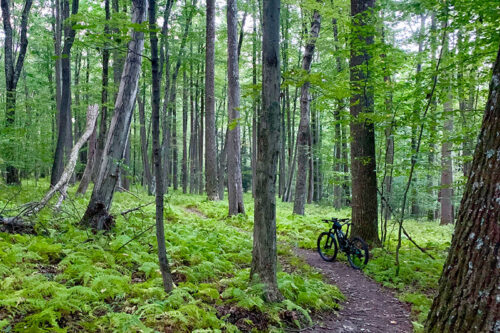
Pinchot State Forest features an extensive network of trails that wind through varied landscapes and scenic tracts. The 26-mile Pinchot Trail is the forest’s signature route, offering both leisurely day hikes and overnight backpacking trips across the Thornhurst Tract.
For shorter excursions, the five-mile Watres Loop provides an easy-to-moderate trek, while the North Pocono Trail System covers about seven miles of shared-use paths. Additional opportunities include the Howley Compass Course and numerous smaller loops spread across nine tracts and three recreation areas.
Learn More About Hiking
Horseback riding is allowed on 39 miles of shared-use trails and all state forest roads within Pinchot State Forest, including the 26-mile Thornhurst Snowmobile Trail. Riders should note that horses are not permitted on the Pinchot Trail, Watres Loop, or within the Spruce Swamp Natural Area, which are reserved for foot travel.
Hunting is permitted throughout most of Pinchot State Forest, with the exception of the Moon Lake, Seven Tubs, and Manny Gordon Recreation Areas. Common game species include deer, turkey, grouse, squirrels, rabbits, and even black bear, along with snowshoe hare and waterfowl in wetland areas. Trappers may encounter furbearers such as coyote, raccoon, mink, bobcat, and beaver. All hunting is regulated by the Pennsylvania Game Commission, including Sunday hunting dates.
Learn More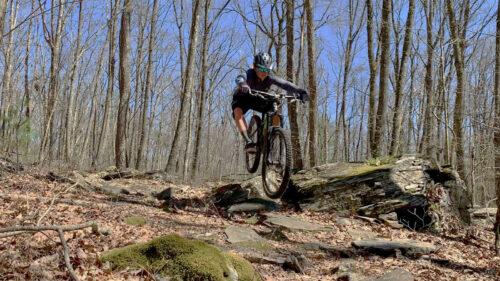
Mountain biking is permitted on most forest roads and trails, including the 26-mile Thornhurst Snowmobile Trail, unless otherwise posted. However, bikes are not allowed on the Pinchot Trail, Watres Loop, or within the Spruce Swamp Natural Area. Trail conditions vary throughout the forest, offering rides for a range of skill levels. E-bikes are permitted on approved trails and roads, provided they meet established standards.
Pinchot State Forest offers five picnic pavilions, with three at Moon Lake Recreation Area and two at the Manny Gordon Recreation Area. Each includes tables, grills, and fire rings, and all operate on a first-come, first-served basis. Groups of more than ten must obtain a Letter of Authorization, and visitors are asked to follow Leave No Trace principles. Note that organized picnicking is not permitted at Seven Tubs Recreation Area to protect its sensitive features.

Pinchot State Forest is home to diverse habitats, making it a great destination for wildlife watching. Visitors may see turkey, grouse, white-tailed deer, black bears, and many species of songbirds. The Spruce Swamp Natural Area, an 87-acre glacial bog on the Thornhurst Tract, is notable for its native spruce, balsam fir, tamarack, and several Pennsylvania Plant Species of Concern.
For panoramic views, the Pine Hill observation deck overlooks the Pocono Plateau and ridge and valley system. The forest is also a popular spot for fall foliage viewing.

The Thornhurst Tract in Lackawanna County features nearly 28 miles of groomed snowmobile trails, which also serve cross-country skiers and snowshoers. These trails open the day after rifle deer season and remain accessible through March 31, weather permitting. S
nowmobile off-loading areas are available at the Manny Gordon Recreation Area and at Pittston Road and Bear Lake Road, with additional parking for non-motorized users at the western entrance of Tannery Road. Visitors are encouraged to follow winter trail etiquette for safe and enjoyable use.
View Thornhurst Snowmobile Map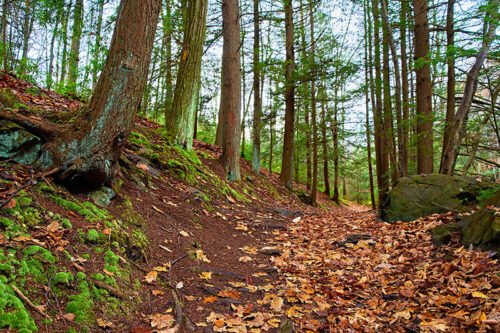
Pinchot State Forest hosts a variety of guided walks and seasonal programs that highlight the forest’s natural and cultural features. Visitors can join interpretive hikes to explore wildflowers, fall foliage, and unique habitats like bogs and waterfalls.
Events are typically family-friendly and led by forestry staff or local partners, offering a great way to learn more about the forest while enjoying the outdoors. Check the DCNR events calendar for the latest schedule.
Find More EventsNearby State Parks to Explore
Popular options include Frances Slocum, Lackawanna, and Ricketts Glen State Parks, all just a short drive away.



Conservation Tip
By following these responsible outdoor ethics from our friends at DCNR, we can help keep Pennsylvania’s state parks and forests top-tier outdoor recreation destinations for generations to come.
Leave No Trace
- Plan Ahead and Prepare: Know regulations, prepare for weather and emergencies, travel in small groups, minimize waste, and use a map and compass instead of marking trails.
- Travel and Camp on Durable Surfaces: Stay on established trails, camp at least 200 feet from water, and avoid damaging pristine areas.
- Dispose of Waste Properly: Pack out all trash, use catholes for human waste, and wash dishes 200 feet from water sources with biodegradable soap.
- Leave What You Find: Preserve historical sites, avoid disturbing nature, and prevent the spread of invasive species.
- Minimize Campfire Impacts: Use stoves when possible, keep fires small, burn wood to ash, and fully extinguish campfires.
- Respect Wildlife: Observe from a distance, don’t feed animals, store food properly, and control pets to avoid disturbing wildlife.
- Be Considerate of Other Visitors: Respect others by keeping noise low, yielding on trails, and camping away from high-traffic areas.
Article updated from its original version published on 1/22/24.
Seven Tubs Recreation Area