















DiscoverNEPA is partnering with North Branch Land Trust, a nonprofit that conserves the natural, working and scenic landscapes of NEPA. They’ll provide conservation tips and give us a look at their protected lands. Learn how you can join NBLT and do your part to protect NEPA’s natural resources.
Exploring Nature’s Rhythm and Ecosystems Renewal
As the weather cools and the days grow shorter, NEPA fauna and flora prepare for the autumnal shift with instinctual actions, some of which are commonly recognizable and considered telltale signs of Fall: a cackling V-formation in the sky of geese heading south, the vibrant color shifts of deciduous tree leaves, the dispersal of acorns and native flower seeds on the forest floor. These seasonal adaptations illustrate biodiversity and overall ecosystem wellness.

Powering Autumn’s Life Cycles
As Autumn sweeps in, leaf peepers across Northeastern Pennsylvania anticipate the landscape’s fiery change of canvas. An earthy scent fills the air, and deciduous trees disperse nature’s soundtrack highlighted by crunching ground cover and the occasional “thud” of an acorn drop heard during a morning walk on your favorite trail. Not only are these producers providing us with a time of reflection, but also, they are simultaneously contributing a critical part of habitat support for the colder months ahead, from a source of food and shelter for wintering animals to a supply of nutrients distributed by fall leaf litter which aids in soil enrichment.

Unintentional Reforestation
During the Fall, squirrels spend most of their day collecting, burying, (and often unintentionally misplacing) various nuts and seeds provided by trees and past-prime flora. Although they are known for being quirky in character, these fuzzy tailed consumers’ industrious hoarding tendencies serve as a key ecological role of regeneration. When a squirrel’s “mental food map” fails, undiscovered stashes begin to germinate causing an inadvertent development of the next generation of trees and other flora. Who says forgetfulness is a bad thing?

Breaking it Down
The cooler months of Northeastern Pennsylvania also influence a flourishing plethora of diverse mushrooms, sparking excitement amongst every mycology enthusiast. The fruitful fungi serve as nature’s own recycling company, facilitating the breakdown of organic matter (including leaves and fallen trees), and recycling the nutrients back into the soil. These often-overlooked decomposers also aid in the reduction of greenhouse gases, mitigating climate change.
Learn More
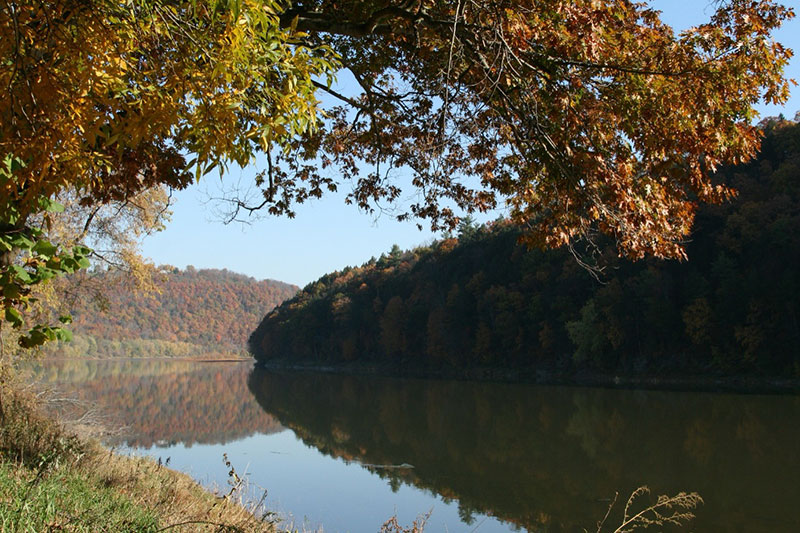
If you’d like to learn more about nature’s biological cycle in Northeastern Pennsylvania, join North Branch Land Trust and DCNR at Vosburg Neck State Park for an educational afternoon on October 25th. This family-fun event focuses on producers, consumers and decomposer’s overall role in an ecosystem’s food chain. Attendees will enjoy an easy-rated hike through the state park and participate in a food chain bingo game!
For more information on North Branch Land Trust’s mission or to register for this event, visit nblt.org. While you’re visiting the website, please explore all the ways North Branch Land Trust conserves and stewards the lands and waters of Northeastern Pennsylvania! In our 30+ years, the Land Trust has been a force for conservation in Northeastern Pennsylvania through the generosity of our supporters. Please consider supporting the conservation mission of North Branch Land Trust….to keep it growing!
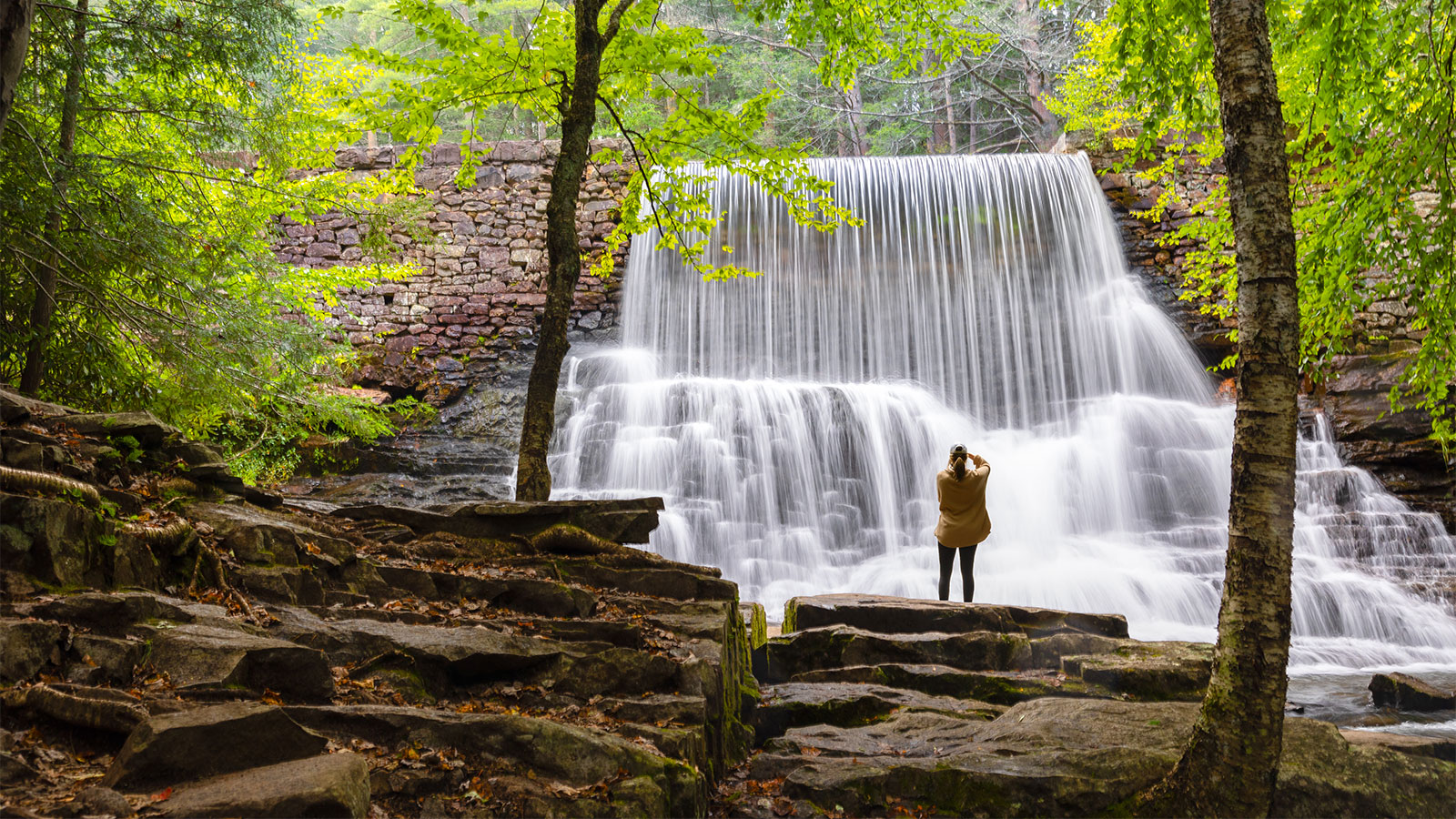
*Featured image (top): George & Lillian Picton Wildlife Sanctuary in Foster Twp. Photo courtesy of Moe Devlin for North Branch Land Trust.