















In our quest to build NEPA’s most comprehensive nonprofit directory, we discovered hundreds of incredible organizations. We’re eager to share their inspiring stories.
In this series, we spotlight hardworking organizations, dedicated volunteers, and compassionate individuals who make a difference. We hope these stories inspire you to join us with your time, hands, and hearts. Follow along as we delve beyond the mission statement.
The Lands at Hillside Farms: Planting Seeds of Sustainability Across NEPA
“Is it possible to have these cows adjacent to that stream?” asked Chet Mozloom, pointing through the morning dew creeping along his cabin office’s window. As Executive Director of The Lands at Hillside Farms, he wondered: “Can the stream get healthier and the land regenerate? While using it as a dairy farm… and making a healthier product?”
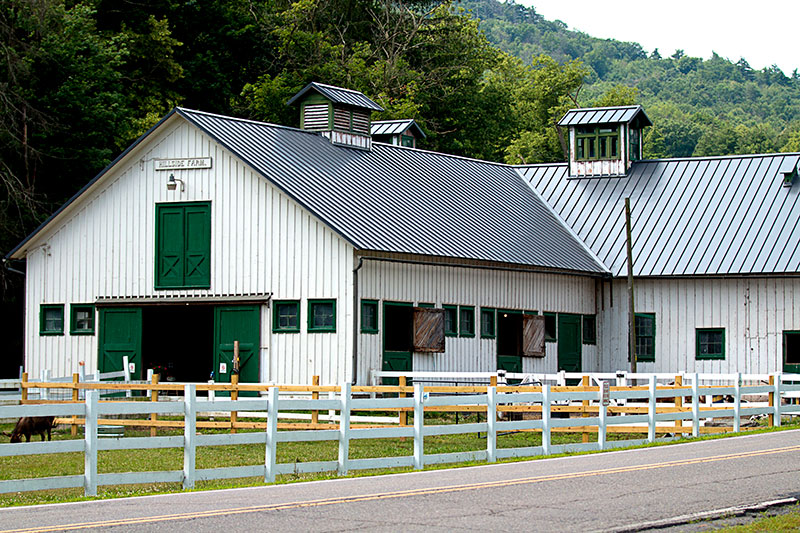
These questions may seem like a laundry list of hypotheticals, but to Mozloom? They’ve guided him for almost 20 years. In that time, he’s overseen a profound transformation. What began as a small, privately owned farm in Shavertown now operates as a 428‑acre outdoor education center for all of Northeastern PA.
“Our objective is to be an educational, farm-based program that focuses on sustainability—with sustainability having many facets: environmental, social, and economic,” Mozloom explained.
Today, Hillside is making significant strides toward that vision. From daily farm work to public programs, everything they do strengthens local valley communities while shaping a more sustainable world. But what does that really look like? Join us as we go beyond the mission statement with The Lands at Hillside Farms.
From Family Farm to Community Center
To fully understand Hillside’s journey, we have to rewind almost 150 years. From 1882 until 2005, the farm was not yet the community hub we know it as today. Rather, it was privately owned by the Conyngham Family.
Enter Dr. Douglas Ayers, NEPA native and visionary. He grew up on a small family farm, developing a deep love for animals and the environment—a passion that drove him to study veterinary medicine at the University of Pennsylvania and later at Harvard Medical School. That same passion would change Hillside’s trajectory for good.
In 2005, Ayers and his team purchased the property and began transforming it into a 501(c)(3) registered nonprofit. The farm’s purpose shifted dramatically—from producing milk to restoring ecosystems, opening its barns to visitors, and teaching our region how to live sustainably.
“He was a really good person,” Mozloom recalled. “Wanted to save the world.”
It was Ayers who invited Mozloom to the startup board in the wake of the farm’s transition. Two short years passed and next thing Mozloom knew, he was Executive Director or The Lands at Hillside Farms. The responsibility of guiding Hillside through its complex shift into the nonprofit realm was on him.
“It’s very similar to being the CEO—but in a nonprofit world,” Mozloom said. His biggest challenge? Overcoming a century of for-profit operations in the public eye. “It’s a big ship to turn.”
Love Your Neighbor: A Simple Philosophy

Across two decades of growth, one guiding principle has shaped Hillside Farms: its mission.
The nonprofit formally describes itself as a historic, nonprofit and educational dairy farm. At its heart, the farm hopes to teach life choices that are healthy, logical, and sustainable—this way even people born 200 years from now can enjoy the same or better opportunities and resources.
Chet Mozloom likes to simplify that philosophy: “Love your neighbor.”
“What that means,” he explained, “is as you make decisions—whether it’s to help people or what you do with land—are you considering your neighbors and the consequences to them?”
“If something is sustainable it means you can keep doing it without burning through all the resources, time, or whatever’s necessary. The idea is: if you treat the environment well, treat people well, have a good balance and they all work together—those same circumstances will still be available centuries from now.”
Balancing People, Planet & Purpose
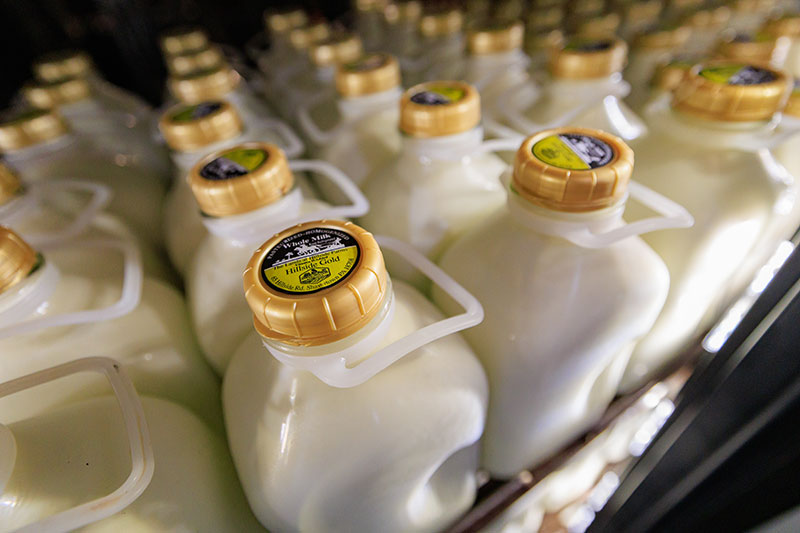
In order to “love thy neighbor,” Hillside treats the farm as a community‑owned property. Accordingly, preserving it is a responsibility they carry through every purchase, program, and partnership. That commitment starts with their daily operations as a dairy farm.
“Part of our mission is economic sustainability,” Mozloom explains. “We believe in leveraging whatever assets we have to support the farm, reduce fundraising needs, and create jobs.”
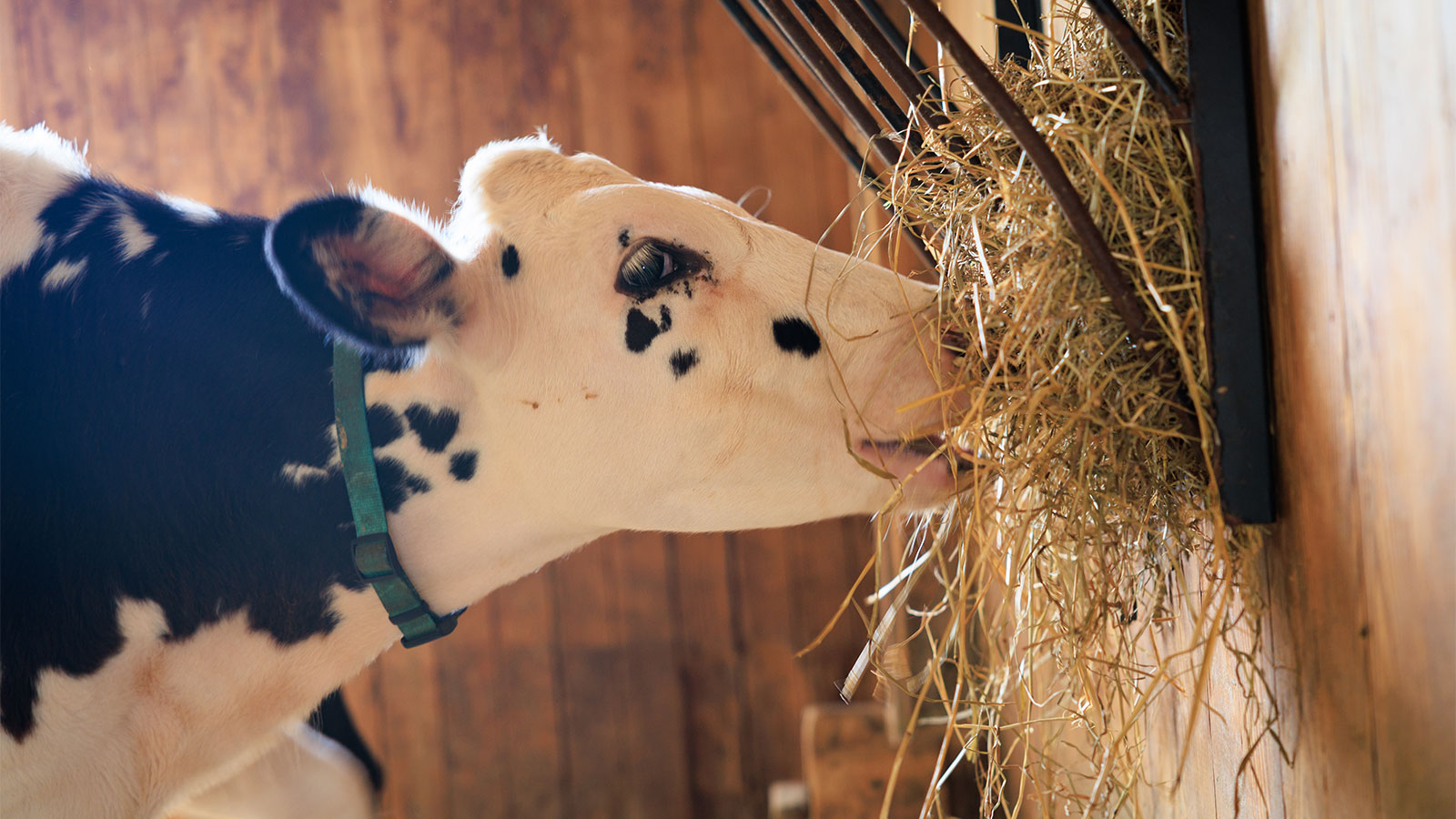
A perfect example is their ‘grass to glass’ dairy imitative that turns milk from Hillside’s own herds into fresh products on-site. Within that process, Hillside’s herds remain certified Animal Welfare Approved by A Greener World—one of the highest standards for humane farming possible.
Environmental stewardship is equally central. “People used to come here 30 years ago and say, ‘What a beautiful place—it’s mowed right down to the stream and I can see the water.’ But that’s not what nature wants,” Mozloom says with a laugh. “Nature wants trees and shrubs all around the stream… so we do that.”
Around the farm, a wide variety of grasses and milkweed flourish freely, replacing well-manicured lawns, which optimizes the ecosystem in several ways, like offering inviting habitats for butterflies and pollinators. To outsiders, it often looks unkempt. But to Hillside? It serves as an embodiment of sustainable practices—caring for people, animals, and land in tandem.
NEPA’s Experimental Classroom
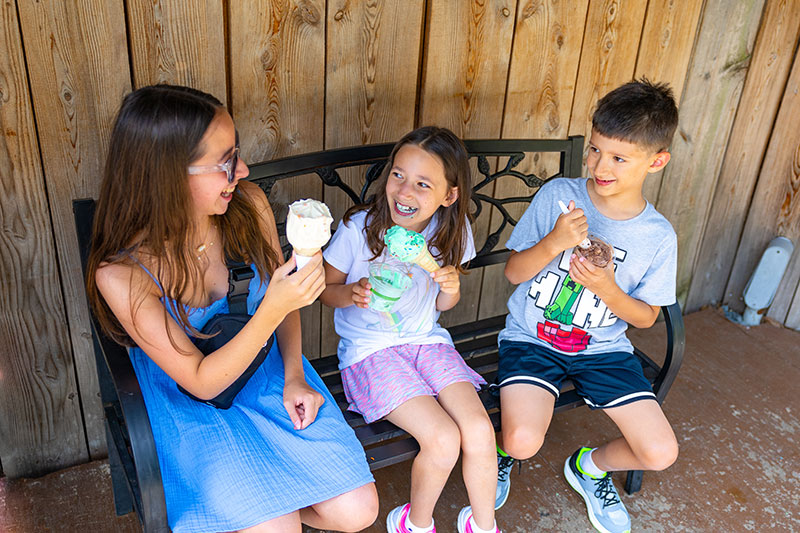
When asked to share a moment that embodied Hillside’s mission, Chet Mozloom simply pointed a finger to his office window. “I’m looking at it now,” he said. “Grandparents walking with kids across the street. It’s not selling ice cream—it’s the experience they have here.”
That everyday scene is a reflection of Hillside’s goal: turning progressive practices into living lessons. Visitors may come for the open barn, dairy store, and ice cream parlor but they often leave with a deeper understanding of sustainability. Everything—from stream buffers to humane animal care—doubles as a teaching tool.
“We call it an experimental classroom,” Mozloom says proudly. “It’s a big experiment and we leverage it to teach environmental lessons, history lessons…. even architectural lessons.”
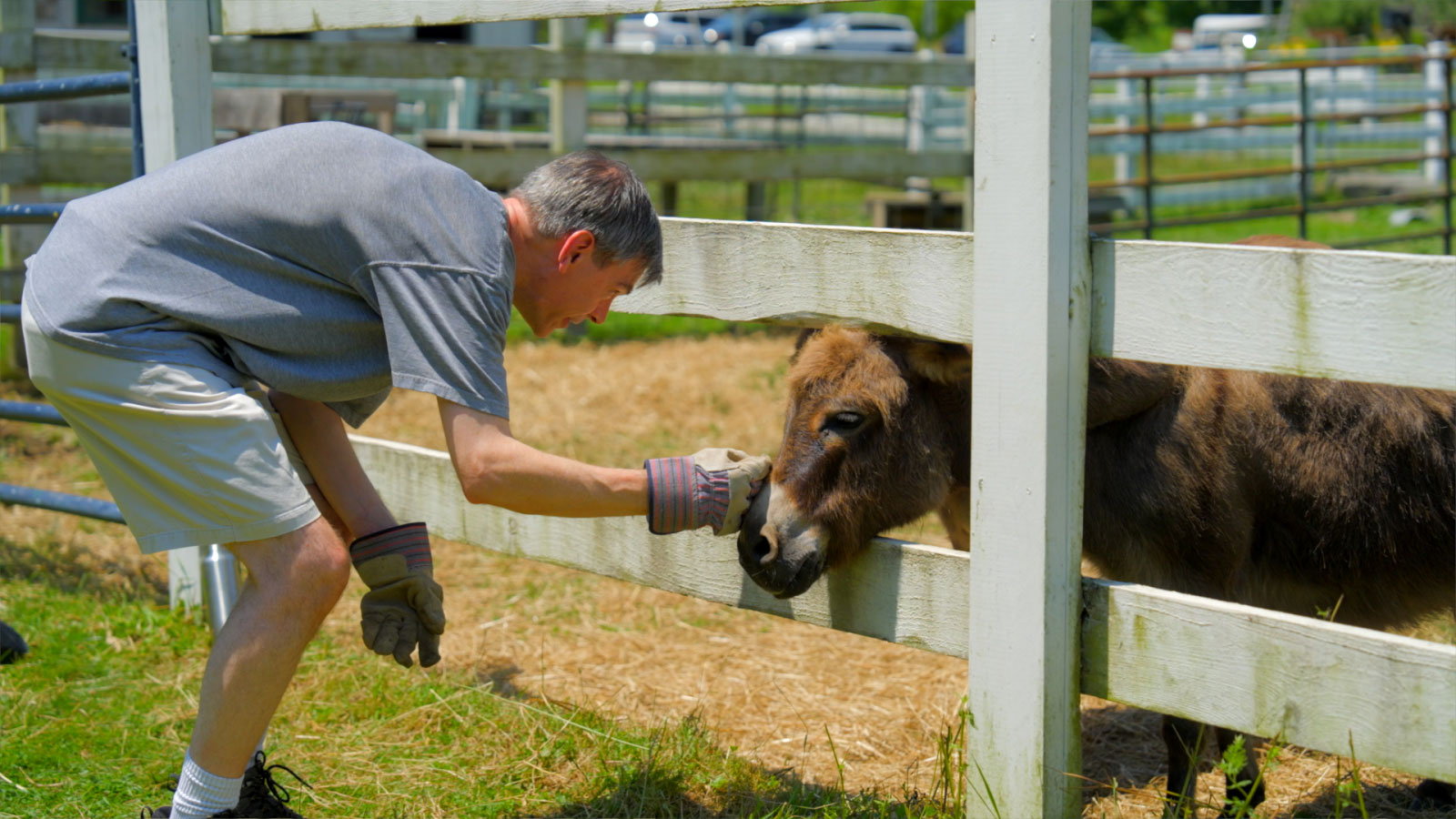
This approach lays the foundation for Hillside’s education programs. The farm offers tours, summer camps, and school partnerships. From Pre-K and elementary school visits to a partnership with graduate programs at King’s College, Hillside works to enable young people of all ages to experience life and work on the farm.
“Camps are currently our biggest program across the farm,” explained Director of Education Abby Collins. “They give children the chance to learn what they wouldn’t in a classroom. The big focus is our mission: sustainability, animal welfare, and caring about your neighbor.”
Meanwhile, tours serve as a flexible gateway for all ages and backgrounds. Each tour is tailored to the audience to maximize education. From youth groups and cyber school students to life skills students and autistic support programs, every visit is crafted with care to ensure the visitors understand the value of the work within the farm’s fences.
“We design tours for specific age groups. Classrooms don’t just get a basic Hillside Tour—they get a more in-depth experience,” Collins added.
Growing Good Beyond the Barns
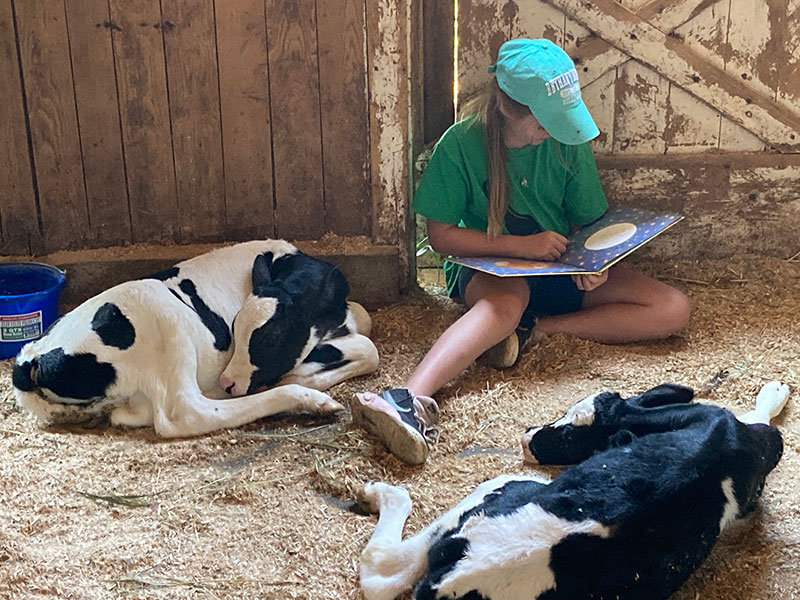
One of the most important parts of Hillside’s work isn’t just educating those who visit—it’s opening the gates wide for those who need the farm most.
For Suzanne Kapral, Hillside’s Director of Development and Marketing, that responsibility extends beyond her title. “Like most other positions at the farm, we like to joke we have an ‘etc.’ after our title,” she says with a laugh.
In her fifteen years at Hillside, Kapral has helped grow one of the farm’s most meaningful programs: a nationally recognized, animal-centric grief camp. Its name? Care Farming.
“Since 2010, we have provided farm-based therapy to children who have experienced trauma. We use evidence-based practices,” Kapral explains. “When the kids come here, they’re not just petting goats or feeding cows… we actually take what the science supports.”
The program places disadvantaged children in a safe, farm-based environment. Animal companions allow them open up to occupational, art, and trauma therapists in ways they otherwise wouldn’t.
This healing approach has inspired other efforts too. Hillside’s Dream Green Farm Project allows challenged young adults to maintain their own two-acre farm lot each summer. Meanwhile, the Green Guides initiative offers mobile, animal-assisted therapy to vulnerable children who can’t make the trip to the farm.
“What’s good for the animals is good for the environment and for humans. It’s a ripple effect. If one thing is out of balance, the rest of the pendulum is out of balance. So, we work very hard–the best we can to get everything in balance.”
Growing Together: Hillside’s Community Connections
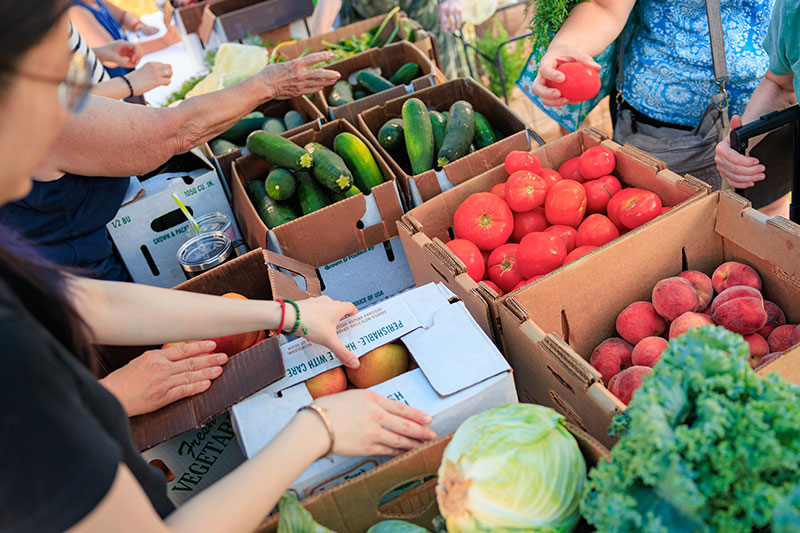
Perhaps one of the most impactful parts of Hillside’s work isn’t their own programming but the partnerships and platform they offer other organizations.
The Food Dignity Movement is a perfect example. As another 501(c)(3) nonprofit, their team purchases food from local farms and distributes it to the public, serving as a community bridge. Hillside Farms has supported Food Dignity by not only providing experienced nonprofit board members but also by hosting their programs. We connected with them during their weekly “Pay What You Can, Take What You Need” donation-based farm stand at Hillside.
“Over the years we’ve piloted different programs here,” explains Amanda Gordineer, Food Dignity’s Director of Operations. “Hillside has just been a fantastic partner and a great model of an organization. We aspire to be like them in creating food locally, getting the community involved, and educating where we can.”
But it’s not just Food Dignity. “It’s sort of endless,” Mozloom boasts. “We have a list of fifty or some (other organizations) we actively partner with.”
Their work proves it. Between long-standing relationships with groups like CASA of Wyoming Valley to partnerships with new programs like NEPA’s Summer in the City and the Cancer Wellness Center of NEPA there’s always a new collaboration with Hillside’s name on it.
The Lands at Hillside Farms: Planting Seeds for Our Future

The Lands at Hillside Farms is more than a farm. It’s a living reminder that sustainability starts with people. Every milk bottle filled, every tour through the fields, and every partnership forged teaches the same lesson: love your neighbor.
Such remains the core mission that’s helping Hillside leave the world better than they found it, both within and beyond their farm’s fences. But they can’t do it alone.
“We would love more opportunities to host adults and offer additional adult education,” exclaims Suzanne Kapral. “Let us give you a tour, take you on a wagon ride, and share the history of this farm and why it was created.”
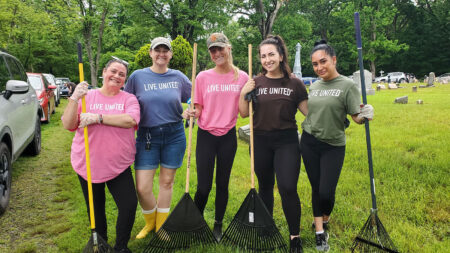
That invitation is open to everyone. Whether you want to join a fun-loving volunteer team, explore educational programs, attend farm events, or donate to support their path forward, it makes a difference. It helps build a village planting seeds of sustainability for generations to come.
“It really is a village,” Kapral reflects. “And it’s been so successful because this village we call NEPA has been incredibly generous and is helping us move Dr. Ayer’s dream down the field.”
Get involved with The Lands at Hillside Farms
Explore their website to discover upcoming events, hands-on volunteer opportunities, and ways to support their mission. Whether you’re interested in farm education, community partnerships, or environmental restoration, your time, skills, or donation can help shape a healthier, more sustainable NEPA for generations to come.
Beyond the Mission Statement





Volunteer Spotlight: The Lands at Hillside Farms